Buy quick-check.eu ?
We are moving the project
quick-check.eu .
Are you interested in purchasing the domain
quick-check.eu ?
domain@kv-gmbh.de · 0541-91531010
Buy quick-check.eu ?
Is ammonia polyprotic or monoprotic?
Ammonia is a monoprotic base, meaning it can donate only one proton (H+) in a chemical reaction. This is because ammonia has only one nitrogen atom that can accept a proton to form the ammonium ion (NH4+). Therefore, ammonia is considered monoprotic. **
What are monoprotic and polyprotic acids?
Monoprotic acids are acids that can donate only one proton (hydrogen ion) per molecule when they dissociate in water. Examples include hydrochloric acid (HCl) and acetic acid (CH3COOH). Polyprotic acids, on the other hand, are acids that can donate more than one proton per molecule when they dissociate in water. Examples include sulfuric acid (H2SO4) and phosphoric acid (H3PO4). **


Similar search terms for Polyprotic
Top-Angebote
Products related to Polyprotic:
-
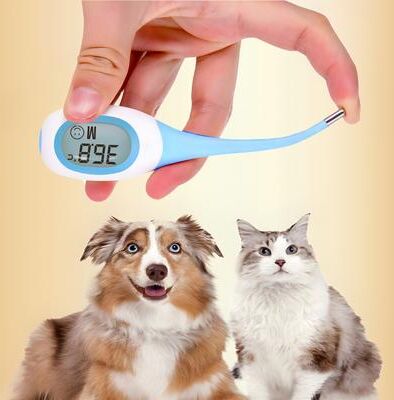
Happy Pet Pantry Digital Veterinary Pet Thermometer For Dogs And Cats Fast & Accurate Pet Thermometer Tool Digital Veterinary Pet Thermometer For Dogs And Cats Fast & Accurate Pet Thermometer ToolWhen your pet isnt acting like themselves, every second matters. The pet thermometer is designed to give you fast, reliable temperature readings so you can quickly understand your dog or cats health condition at home. Built as a digital veterinary...31,97 $*Shipping: 0,00 $Secure redirect to the provider
-
Happy Pet Pantry Smart Veterinary Digital Livestock Thermometer For Pets, Cattle, Horses & Farm Animals Fast Accurate Reading Smart Veterinary Digital Livestock Thermometer For Pets, Cattle, Horses & Farm Animals Fast Accurate ReadingWhen every second matters in animal care, accurate temperature readings can make all the difference in protecting health and preventing illness. This reliable device is designed as a veterinary thermometer built for fast, safe, and precise...64,97 $*Shipping: 0,00 $Secure redirect to the provider
-
Discount Dollar Deals Charger For Oral B Electric Toothbrush Replacement Base Adapter Magnetic, Efficient, Reliable, And Compatible us PlugKeep your Oral B iO Series Electric Toothbrush powered up and ready for use with this highquality replacement charger. Designed to perfectly fit and deliver reliable charging, this magnetic charger offers an efficient and hasslefree experience....64,97 $*Shipping: 0,00 $Secure redirect to the provider
-
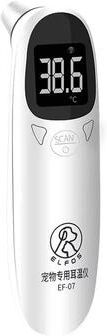
CaseAndConnect ELOFS EF 07 Pet Ear Thermometer For Dogs & Cats Digital Infrared Thermometer With Fast Accurate Readings ELOFS EF 07 Pet Ear Thermometer For Dogs & Cats Digital Infrared Thermometer With Fast Accurate ReadingsGive your furry companion the care they deserve with the Pet Ear Thermometer designed for quick, reliable temperature checks at home. This Digital Infrared Thermometer provides fast, accurate ear readings for dogs, cats, and other pets in seconds,...43,97 $*Shipping: 0,00 $Secure redirect to the provider


-
How do I recognize a mono- or polyprotic acid?
A monoprotic acid is an acid that can donate only one proton (hydrogen ion) per molecule, such as hydrochloric acid (HCl) or acetic acid (CH3COOH). On the other hand, a polyprotic acid is an acid that can donate more than one proton per molecule, such as sulfuric acid (H2SO4) or phosphoric acid (H3PO4). One way to recognize a polyprotic acid is by looking at the chemical formula and identifying the presence of multiple hydrogen atoms that can potentially be donated as protons. Additionally, the acid's name may also provide a clue, as polyprotic acids often have prefixes such as di- or tri- to indicate the number of protons that can be donated. **
-
Why is the second dissociation stage weaker in polyprotic acids?
The second dissociation stage is weaker in polyprotic acids because after the first proton is removed, the remaining ion has a higher negative charge, making it more difficult to remove the second proton. This increased negative charge leads to stronger electrostatic attraction between the remaining ion and the proton, making it harder for the second proton to dissociate. Additionally, the second dissociation occurs at a lower pH, where the concentration of H+ ions is lower, further reducing the likelihood of the second dissociation. Overall, these factors contribute to the weaker second dissociation stage in polyprotic acids. **
-
How can I tell if an acid is monoprotic or polyprotic?
You can determine if an acid is monoprotic or polyprotic by looking at its chemical formula. If the formula contains only one hydrogen ion (H+), then the acid is monoprotic. However, if the formula contains more than one hydrogen ion, then the acid is polyprotic. Additionally, you can also look at the acid's chemical structure and its ability to donate multiple hydrogen ions to determine if it is polyprotic. **
-
Can someone explain the meaning of monoprotic and polyprotic to me?
Sure! Monoprotic and polyprotic refer to the number of protons that can be donated by an acid. Monoprotic acids can donate one proton, while polyprotic acids can donate more than one proton. For example, hydrochloric acid (HCl) is monoprotic because it can donate one proton, while sulfuric acid (H2SO4) is polyprotic because it can donate two protons. This distinction is important in understanding the behavior and properties of different acids in chemical reactions. **

How can the concentration of a polyprotic acid be determined by titration?
The concentration of a polyprotic acid can be determined by titration using a strong base. Since polyprotic acids can donate multiple protons, the titration curve will have multiple equivalence points, corresponding to the different dissociation steps of the acid. By monitoring the pH during the titration, the inflection points on the curve can be used to calculate the concentration of the acid. The volume of the base required to reach each equivalence point can also be used to determine the molar concentration of the acid. **
How do you calculate the concentration of a polyprotic acid through titration?
To calculate the concentration of a polyprotic acid through titration, you would first need to determine the equivalence point of the titration by using an indicator or a pH meter. Then, you would use the volume of titrant (such as a strong base) needed to reach the equivalence point and the known molarity of the titrant to calculate the moles of acid present. Since polyprotic acids can donate multiple protons, you would need to consider the number of moles of protons donated by the acid and the stoichiometry of the acid-base reaction to calculate the concentration of the polyprotic acid. **
Top-Angebote
Products related to Polyprotic:
-
Happy Pet Pantry Veterinary Digital Thermometer For Pets & Livestock Fast Accurate Temperature Monitor Veterinary Digital Thermometer For Pets & Livestock Fast Accurate Temperature MonitorFeeling confident about your animal's health starts with accurate temperature checks. This veterinarygrade thermometer delivers fast, reliable readings for farmers, breeders, veterinarians, and pet owners who need quick results when every minute...36,97 $*Shipping: 0,00 $Secure redirect to the provider
-
Inspire Daily Merch Wine Foil Cutter Corkscrew Set Efficient Bar Lever Corkscrew And Convenient Bottle Openers Wine Foil Cutter Corkscrew Set Efficient Bar Lever Corkscrew And Convenient Bottle OpenersUnlock the full potential of your wine experience with our Wine Foil Cutter Corkscrew Set. Perfect for wine lovers and hosts, this elegant set provides the tools needed to open any bottle effortlessly. The sleek design combines convenience and...49,97 $*Shipping: 0,00 $Secure redirect to the provider
-
Happy Pet Pantry Digital Veterinary Pet Thermometer For Dogs And Cats Fast & Accurate Pet Thermometer Tool Digital Veterinary Pet Thermometer For Dogs And Cats Fast & Accurate Pet Thermometer ToolWhen your pet isnt acting like themselves, every second matters. The pet thermometer is designed to give you fast, reliable temperature readings so you can quickly understand your dog or cats health condition at home. Built as a digital veterinary...31,97 $*Shipping: 0,00 $Secure redirect to the provider
-
Happy Pet Pantry Smart Veterinary Digital Livestock Thermometer For Pets, Cattle, Horses & Farm Animals Fast Accurate Reading Smart Veterinary Digital Livestock Thermometer For Pets, Cattle, Horses & Farm Animals Fast Accurate ReadingWhen every second matters in animal care, accurate temperature readings can make all the difference in protecting health and preventing illness. This reliable device is designed as a veterinary thermometer built for fast, safe, and precise...64,97 $*Shipping: 0,00 $Secure redirect to the provider
-
Is ammonia polyprotic or monoprotic?
Ammonia is a monoprotic base, meaning it can donate only one proton (H+) in a chemical reaction. This is because ammonia has only one nitrogen atom that can accept a proton to form the ammonium ion (NH4+). Therefore, ammonia is considered monoprotic. **
-
What are monoprotic and polyprotic acids?
Monoprotic acids are acids that can donate only one proton (hydrogen ion) per molecule when they dissociate in water. Examples include hydrochloric acid (HCl) and acetic acid (CH3COOH). Polyprotic acids, on the other hand, are acids that can donate more than one proton per molecule when they dissociate in water. Examples include sulfuric acid (H2SO4) and phosphoric acid (H3PO4). **
-
How do I recognize a mono- or polyprotic acid?
A monoprotic acid is an acid that can donate only one proton (hydrogen ion) per molecule, such as hydrochloric acid (HCl) or acetic acid (CH3COOH). On the other hand, a polyprotic acid is an acid that can donate more than one proton per molecule, such as sulfuric acid (H2SO4) or phosphoric acid (H3PO4). One way to recognize a polyprotic acid is by looking at the chemical formula and identifying the presence of multiple hydrogen atoms that can potentially be donated as protons. Additionally, the acid's name may also provide a clue, as polyprotic acids often have prefixes such as di- or tri- to indicate the number of protons that can be donated. **
-
Why is the second dissociation stage weaker in polyprotic acids?
The second dissociation stage is weaker in polyprotic acids because after the first proton is removed, the remaining ion has a higher negative charge, making it more difficult to remove the second proton. This increased negative charge leads to stronger electrostatic attraction between the remaining ion and the proton, making it harder for the second proton to dissociate. Additionally, the second dissociation occurs at a lower pH, where the concentration of H+ ions is lower, further reducing the likelihood of the second dissociation. Overall, these factors contribute to the weaker second dissociation stage in polyprotic acids. **
Similar search terms for Polyprotic
-
Discount Dollar Deals Charger For Oral B Electric Toothbrush Replacement Base Adapter Magnetic, Efficient, Reliable, And Compatible us PlugKeep your Oral B iO Series Electric Toothbrush powered up and ready for use with this highquality replacement charger. Designed to perfectly fit and deliver reliable charging, this magnetic charger offers an efficient and hasslefree experience....64,97 $*Shipping: 0,00 $Secure redirect to the provider
-
CaseAndConnect ELOFS EF 07 Pet Ear Thermometer For Dogs & Cats Digital Infrared Thermometer With Fast Accurate Readings ELOFS EF 07 Pet Ear Thermometer For Dogs & Cats Digital Infrared Thermometer With Fast Accurate ReadingsGive your furry companion the care they deserve with the Pet Ear Thermometer designed for quick, reliable temperature checks at home. This Digital Infrared Thermometer provides fast, accurate ear readings for dogs, cats, and other pets in seconds,...43,97 $*Shipping: 0,00 $Secure redirect to the provider
-
Uplift Essentials Fast Acting Eye Tightening Cream & Primer Instant Firming & Fine Line Smoothing Fast Acting Eye Tightening Cream & Primer Instant Firming & Fine Line SmoothingExperience an immediate transformation with this FastActing Eye Tightening Cream. This dualaction formula serves as both a powerful eye firming cream and a highperformance facial makeup primer, specifically designed to meet the intensive eye care...39,97 $*Shipping: 0,00 $Secure redirect to the provider
-
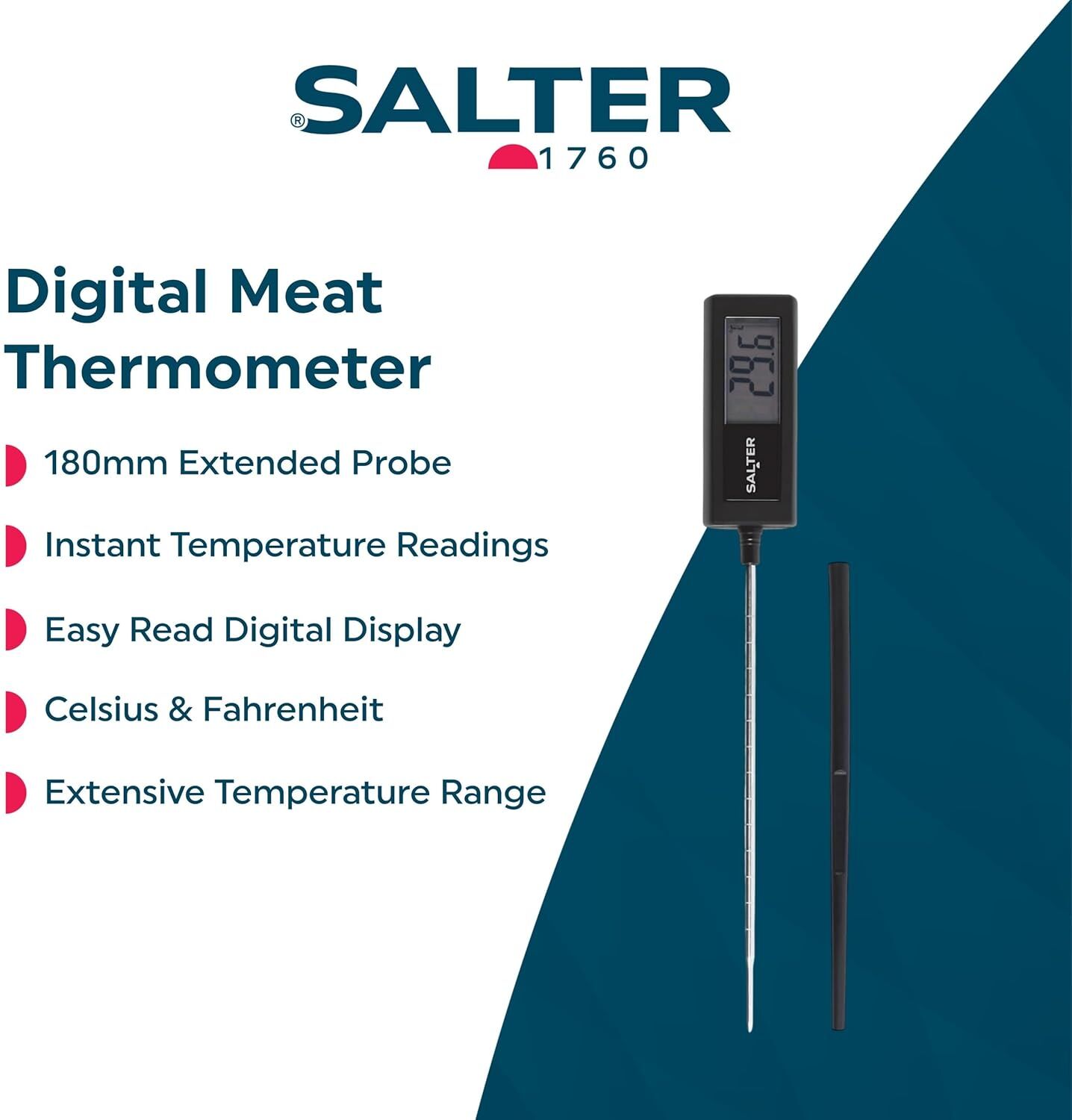
Salter Precision Meat Thermometer – 180mm Probe with Cover, Digital Display, °C/°F, Fast Accurate Reading (SA00634FEU12)Overview The Salter Precision Meat Thermometer features a 180mm extended stainless steel probe and protective cover, providing quick and accurate temperature readings. Ideal for use in kitchens, BBQs, air frying, and more, it displays temperatures in both Celsius and Fahrenheit on a clear digital screen. Key Features 180mm extended stainless steel probe for safe, precise temperature measurement Fast and accurate readings within seconds Dual temperature display in Celsius and Fahrenheit Easy-to-read digital display Protective cover for hygienic storage and safety Perfect for cooking meat, BBQs, air frying, milk, and other foods Lightweight and portable design for convenience Product Description Cook your meals to perfection with the Salter Precision Meat Thermometer. Equipped with a long 180mm probe, it allows safe insertion into thick cuts of meat, ensuring accurate internal temperature readings. The clear digital display shows temperatures in both Celsius and Fahrenheit, catering to your preferred measurement system. Quick to respond, this thermometer is perfect for monitoring the cooking of Sunday roasts, BBQs, air-fried dishes, and even milk. The included protective cover keeps the probe clean and safe when not in use. Lightweight and easy to handle, it’s an essential tool for any kitchen or grilling enthusiast.16,99 £*Shipping: 0,00 £Secure redirect to the provider
-
How can I tell if an acid is monoprotic or polyprotic?
You can determine if an acid is monoprotic or polyprotic by looking at its chemical formula. If the formula contains only one hydrogen ion (H+), then the acid is monoprotic. However, if the formula contains more than one hydrogen ion, then the acid is polyprotic. Additionally, you can also look at the acid's chemical structure and its ability to donate multiple hydrogen ions to determine if it is polyprotic. **
-
Can someone explain the meaning of monoprotic and polyprotic to me?
Sure! Monoprotic and polyprotic refer to the number of protons that can be donated by an acid. Monoprotic acids can donate one proton, while polyprotic acids can donate more than one proton. For example, hydrochloric acid (HCl) is monoprotic because it can donate one proton, while sulfuric acid (H2SO4) is polyprotic because it can donate two protons. This distinction is important in understanding the behavior and properties of different acids in chemical reactions. **
-
How can the concentration of a polyprotic acid be determined by titration?
The concentration of a polyprotic acid can be determined by titration using a strong base. Since polyprotic acids can donate multiple protons, the titration curve will have multiple equivalence points, corresponding to the different dissociation steps of the acid. By monitoring the pH during the titration, the inflection points on the curve can be used to calculate the concentration of the acid. The volume of the base required to reach each equivalence point can also be used to determine the molar concentration of the acid. **
-
How do you calculate the concentration of a polyprotic acid through titration?
To calculate the concentration of a polyprotic acid through titration, you would first need to determine the equivalence point of the titration by using an indicator or a pH meter. Then, you would use the volume of titrant (such as a strong base) needed to reach the equivalence point and the known molarity of the titrant to calculate the moles of acid present. Since polyprotic acids can donate multiple protons, you would need to consider the number of moles of protons donated by the acid and the stoichiometry of the acid-base reaction to calculate the concentration of the polyprotic acid. **
* All prices are inclusive of VAT and, if applicable, plus shipping costs. The offer information is based on the details provided by the respective shop and is updated through automated processes. Real-time updates do not occur, so deviations can occur in individual cases. ** Note: Parts of this content were created by AI.