Buy quick-check.eu ?
We are moving the project
quick-check.eu .
Are you interested in purchasing the domain
quick-check.eu ?
domain@kv-gmbh.de · 0541-91531010
Buy quick-check.eu ?
How do brake pad deposits form on the brake disc?
Brake pad deposits form on the brake disc when the brake pads generate excessive heat during braking. This heat can cause the brake pad material to transfer onto the surface of the brake disc, creating a layer of deposits. Factors such as aggressive driving, heavy braking, and using low-quality brake pads can contribute to the formation of these deposits. Over time, these deposits can lead to brake noise, vibration, and reduced braking performance, requiring the disc to be cleaned or replaced. Regular maintenance and using high-quality brake pads can help prevent the formation of brake pad deposits. **
What does glc brake pad warning mean?
The "glc brake pad warning" refers to a warning message or indicator light on a Mercedes-Benz GLC vehicle that alerts the driver to an issue with the brake pads. This warning typically indicates that the brake pads are worn and need to be replaced soon. It is important to address this warning promptly to ensure the safety and effectiveness of the vehicle's braking system. Ignoring this warning could lead to decreased braking performance and potential safety hazards. **


Similar search terms for VAICO-V24-0080-Brake-pad
Top-Angebote
Products related to VAICO-V24-0080-Brake-pad:
-
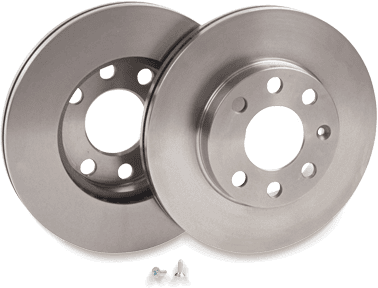
VAICO V24-80006 Brake discBrake Disc Hub Height [mm]: 18,5; Fitting Position: Front Axle; Rim Hole Number: 4; Height: 40,5; Brake Disc Type: Vented; Brake Disc Thickness: 22; Minimum thickness [mm]: 20,2; Outer Diameter [mm]: 257; Centering Diameter [mm]: 59; Bolt Hole Circle Ø [mm]: 98; Packaging width [cm]: 26; Packaging height [cm]: 8; Packaging Depth [cm]: 26; Supplementary Info: Original VAICO Quality; Drilled: no; Manufacturer Restriction: ATE TEVES; TecDoc Engine Number: 16408, 4405, 16399, 20246, 18318, 20245, 20241, 23573, 23574, 32746; Construction Year to: 01/2003; Model Year from: 2005; Construction Year from: 10/200545,98 £*Shipping: 8,45 £Secure redirect to the provider
-
VAICO V24-40008 Brake discBrake Disc Hub Height [mm]: 41,9; Fitting Position: Rear Axle; Rim Hole Number: 5; Height: 51,5; Brake Disc Type: solid; Brake Disc Thickness: 10; Minimum thickness [mm]: 9; Outer Diameter [mm]: 276; Centering Diameter [mm]: 59; Bolt Hole Circle Ø [mm]: 108; Packaging width [cm]: 28; Packaging height [cm]: 11; Packaging Depth [cm]: 28; Supplementary Info: Original VAICO Quality; Drilled: no; Construction Year to: 08/1996, 04/1998, 02/1998, 05/2001, 06/2000, 09/2003, 06/200333,98 £*Shipping: 8,45 £Secure redirect to the provider
-
VAICO V24-40010 Brake discBrake Disc Hub Height [mm]: 30,5; Rim Hole Number: 4; Height: 40,5; Brake Disc Type: solid; Brake Disc Thickness: 10; Minimum thickness [mm]: 9; Outer Diameter [mm]: 251; Centering Diameter [mm]: 59; Bolt Hole Circle Ø [mm]: 98; Packaging width [cm]: 26; Packaging height [cm]: 9; Packaging Depth [cm]: 26; Supplementary Info: Original VAICO Quality; Drilled: no; Fitting Position: Rear Axle; Construction Year from: 07/2011, 01/2009, 09/2008, 01/2010, 10/2009, 01/201442,98 £*Shipping: 8,45 £Secure redirect to the provider



-
Is there enough brake pad for the motorcycle?
To determine if there is enough brake pad for the motorcycle, you will need to visually inspect the brake pads. If the brake pads are worn down to the minimum thickness specified by the manufacturer, then they will need to be replaced. Additionally, if there are any signs of uneven wear, damage, or deterioration, the brake pads should also be replaced. It is important to ensure that the brake pads have enough material to effectively stop the motorcycle and prevent any potential safety hazards. **
-
Is the brake disc broken or was the brake pad responsible for it?
Without further inspection, it is difficult to determine whether the brake disc is broken or if the brake pad is responsible for the issue. Both components play a crucial role in the braking system, and either one could be the cause of the problem. It is recommended to have a professional mechanic inspect the brake system to accurately diagnose the issue and determine the necessary repairs. **
-
How does oil get on the brake pad of the bicycle disc brake?
Oil can get on the brake pad of a bicycle disc brake from a few different sources. One common way is through contamination from the chain or other bike components that have oil or lubricant on them. Additionally, if the bike is being worked on and oil is accidentally spilled or dripped onto the brake pad, it can also cause oil to get on the brake pad. Finally, if the bike is ridden in wet or muddy conditions, the brake pads can pick up oil and other contaminants from the road or trail surface. **
-
How many centimeters of brake pad are still acceptable?
Typically, brake pads are considered to be in good condition if they have at least 3-4 millimeters of pad material remaining. This translates to approximately 0.3-0.4 centimeters. Once the brake pad thickness reaches this minimum level, it is recommended to replace them to ensure optimal braking performance and safety. **


How many centimeters of brake pad are still okay?
Typically, brake pads should be replaced when they have worn down to around 3 millimeters or less. This is the minimum thickness recommended by most manufacturers to ensure safe braking performance. In centimeters, this would be equivalent to 0.3 centimeters. Therefore, any brake pad with more than 0.3 centimeters of thickness remaining would still be considered okay. **
What is this slot in the brake pad for?
The slot in the brake pad is designed to help dissipate heat and gases that build up during braking. As the brake pad presses against the rotor, friction generates heat and gases, which can reduce braking performance. The slot allows for better ventilation and helps prevent brake fade, ensuring consistent and effective braking performance. **
Top-Angebote
Products related to VAICO-V24-0080-Brake-pad:
-
VAICO V24-0080 Brake pad setThickness: 17,9; Wear Warning Contact: with integrated wear warning contact; Number of wear indicators [per axle]: 1; WVA Number: 21927; Fitting Position: Front Axle; Weight [kg]: 1,536; Packaging width [cm]: 9; Packaging height [cm]: 9; Packaging Depth [cm]: 16; Quantity Unit: Axle Set; Supplementary Info: Q+, original equipment manufacturer quality; Brake System: ATE / TEVES / CONTINENTAL; Brake Disc Type: Vented; Construction Year from: 11/1996; Production date from: 15.03.1997; Transmission Type: Automatic Transmission17,49 £*Shipping: 8,45 £Secure redirect to the provider
-
VAICO V24-0063 Brake pad setThickness: 17; Supplementary Article / Supplementary Info Info 2: with brake caliper screws; Height: 67; Brake System: TRW / LUCAS / GIRLING; Width [mm]: 104; Wear Warning Contact: incl. wear warning contact; Fitting Position: Front Axle; Weight [kg]: 1,163; Packaging width [cm]: 9; Packaging height [cm]: 9; Packaging Depth [cm]: 12,7; Quantity Unit: Axle Set; Supplementary Info: Q+, original equipment manufacturer quality; Construction Year to: 04/1996, 04/1993, 10/1993, 01/1993, 04/1997, 12/1996, 03/1997, 05/1998, 07/1997, 12/1998, 05/1997, 11/1996; Construction Year from: 05/1992, 09/1983, 05/1993, 09/1990, 06/1983, 01/1990, 11/1993, 03/1994, 03/1990; Transmission Type: Automatic Transmission, Fully Automatic, CVT automatic transmission (stepless), Manual Transmission; Braking/Driving Dynamics: for vehicles with ABS; Vehicle Identification Number (VIN) to: 4014223, 6009486; Vehicle Identification Number (VIN) from: 4014224; Braking/Driving Dynamics Article Reference: for ABS; Manufacturer Restriction: Lucas; VET Number to: 316162415,49 £*Shipping: 8,45 £Secure redirect to the provider
-
VAICO V24-80006 Brake discBrake Disc Hub Height [mm]: 18,5; Fitting Position: Front Axle; Rim Hole Number: 4; Height: 40,5; Brake Disc Type: Vented; Brake Disc Thickness: 22; Minimum thickness [mm]: 20,2; Outer Diameter [mm]: 257; Centering Diameter [mm]: 59; Bolt Hole Circle Ø [mm]: 98; Packaging width [cm]: 26; Packaging height [cm]: 8; Packaging Depth [cm]: 26; Supplementary Info: Original VAICO Quality; Drilled: no; Manufacturer Restriction: ATE TEVES; TecDoc Engine Number: 16408, 4405, 16399, 20246, 18318, 20245, 20241, 23573, 23574, 32746; Construction Year to: 01/2003; Model Year from: 2005; Construction Year from: 10/200545,98 £*Shipping: 8,45 £Secure redirect to the provider
-
How do brake pad deposits form on the brake disc?
Brake pad deposits form on the brake disc when the brake pads generate excessive heat during braking. This heat can cause the brake pad material to transfer onto the surface of the brake disc, creating a layer of deposits. Factors such as aggressive driving, heavy braking, and using low-quality brake pads can contribute to the formation of these deposits. Over time, these deposits can lead to brake noise, vibration, and reduced braking performance, requiring the disc to be cleaned or replaced. Regular maintenance and using high-quality brake pads can help prevent the formation of brake pad deposits. **
-
What does glc brake pad warning mean?
The "glc brake pad warning" refers to a warning message or indicator light on a Mercedes-Benz GLC vehicle that alerts the driver to an issue with the brake pads. This warning typically indicates that the brake pads are worn and need to be replaced soon. It is important to address this warning promptly to ensure the safety and effectiveness of the vehicle's braking system. Ignoring this warning could lead to decreased braking performance and potential safety hazards. **
-
Is there enough brake pad for the motorcycle?
To determine if there is enough brake pad for the motorcycle, you will need to visually inspect the brake pads. If the brake pads are worn down to the minimum thickness specified by the manufacturer, then they will need to be replaced. Additionally, if there are any signs of uneven wear, damage, or deterioration, the brake pads should also be replaced. It is important to ensure that the brake pads have enough material to effectively stop the motorcycle and prevent any potential safety hazards. **
-
Is the brake disc broken or was the brake pad responsible for it?
Without further inspection, it is difficult to determine whether the brake disc is broken or if the brake pad is responsible for the issue. Both components play a crucial role in the braking system, and either one could be the cause of the problem. It is recommended to have a professional mechanic inspect the brake system to accurately diagnose the issue and determine the necessary repairs. **
Similar search terms for VAICO-V24-0080-Brake-pad
-
VAICO V24-40008 Brake discBrake Disc Hub Height [mm]: 41,9; Fitting Position: Rear Axle; Rim Hole Number: 5; Height: 51,5; Brake Disc Type: solid; Brake Disc Thickness: 10; Minimum thickness [mm]: 9; Outer Diameter [mm]: 276; Centering Diameter [mm]: 59; Bolt Hole Circle Ø [mm]: 108; Packaging width [cm]: 28; Packaging height [cm]: 11; Packaging Depth [cm]: 28; Supplementary Info: Original VAICO Quality; Drilled: no; Construction Year to: 08/1996, 04/1998, 02/1998, 05/2001, 06/2000, 09/2003, 06/200333,98 £*Shipping: 8,45 £Secure redirect to the provider
-
VAICO V24-40010 Brake discBrake Disc Hub Height [mm]: 30,5; Rim Hole Number: 4; Height: 40,5; Brake Disc Type: solid; Brake Disc Thickness: 10; Minimum thickness [mm]: 9; Outer Diameter [mm]: 251; Centering Diameter [mm]: 59; Bolt Hole Circle Ø [mm]: 98; Packaging width [cm]: 26; Packaging height [cm]: 9; Packaging Depth [cm]: 26; Supplementary Info: Original VAICO Quality; Drilled: no; Fitting Position: Rear Axle; Construction Year from: 07/2011, 01/2009, 09/2008, 01/2010, 10/2009, 01/201442,98 £*Shipping: 8,45 £Secure redirect to the provider
-
VAICO V24-40031 Brake discRim Hole Number: 5; Height: 73,5; Brake Disc Type: vented; Brake Disc Thickness: 32; Minimum thickness [mm]: 29,9; Outer Diameter [mm]: 300; Centering Diameter [mm]: 80; Bolt Hole Circle Ø [mm]: 130; Brake Disc Hub Height [mm]: 41,5; Fitting Position: Front Axle; Drilled: no; Vehicle type: Maxi 40; Construction Year from: 03/2014; Rims: for light alloy rims; Suspension: for vehicles with heavy duty suspension; Vehicle Equipment Line/Trim Level: 20Q Heavy86,98 £*Shipping: 8,45 £Secure redirect to the provider
-
VAICO V24-40016 Brake discFitting Position: Rear Axle; Brake Disc Type: solid; Brake Disc Thickness: 12; Outer Diameter [mm]: 278; Drilled: no; TecDoc Engine Number: 24578, 24793, 25424, 28631, 18916, 20271, 33069, 23924, 32609, 34813, 34802, 34809, 36030; Construction Year from: 05/2010, 04/2006, 11/2014; Construction Year to: 12/2014, 12/2010, 12/2013, 12/2015, 12/2016, 12/2008, 12/2018, 12/2017, 08/2018; Braking System: for vehicles with reinforced brakes; Vehicle Equipment Line/Trim Level: Sport; Vehicle Identification Number (VIN) from: 7026206; not for vehicle equipment line/trim level: TI195,98 £*Shipping: 8,45 £Secure redirect to the provider
-
How does oil get on the brake pad of the bicycle disc brake?
Oil can get on the brake pad of a bicycle disc brake from a few different sources. One common way is through contamination from the chain or other bike components that have oil or lubricant on them. Additionally, if the bike is being worked on and oil is accidentally spilled or dripped onto the brake pad, it can also cause oil to get on the brake pad. Finally, if the bike is ridden in wet or muddy conditions, the brake pads can pick up oil and other contaminants from the road or trail surface. **
-
How many centimeters of brake pad are still acceptable?
Typically, brake pads are considered to be in good condition if they have at least 3-4 millimeters of pad material remaining. This translates to approximately 0.3-0.4 centimeters. Once the brake pad thickness reaches this minimum level, it is recommended to replace them to ensure optimal braking performance and safety. **
-
How many centimeters of brake pad are still okay?
Typically, brake pads should be replaced when they have worn down to around 3 millimeters or less. This is the minimum thickness recommended by most manufacturers to ensure safe braking performance. In centimeters, this would be equivalent to 0.3 centimeters. Therefore, any brake pad with more than 0.3 centimeters of thickness remaining would still be considered okay. **
-
What is this slot in the brake pad for?
The slot in the brake pad is designed to help dissipate heat and gases that build up during braking. As the brake pad presses against the rotor, friction generates heat and gases, which can reduce braking performance. The slot allows for better ventilation and helps prevent brake fade, ensuring consistent and effective braking performance. **
* All prices are inclusive of VAT and, if applicable, plus shipping costs. The offer information is based on the details provided by the respective shop and is updated through automated processes. Real-time updates do not occur, so deviations can occur in individual cases. ** Note: Parts of this content were created by AI.