Buy quick-check.eu ?
We are moving the project
quick-check.eu .
Are you interested in purchasing the domain
quick-check.eu ?
domain@kv-gmbh.de · 0541-91531010
Buy quick-check.eu ?
Are tankless water heaters still energy-efficient?
Yes, tankless water heaters are still energy-efficient. They only heat water when it is needed, which reduces energy consumption compared to traditional water heaters that continuously heat and store water. Additionally, tankless water heaters have a longer lifespan and can save homeowners money on their energy bills over time. However, it's important to note that the energy efficiency of a tankless water heater can depend on factors such as the size of the unit, the climate, and the hot water usage habits of the household. **
Is a kettle more efficient than a tankless water heater?
A kettle is more efficient than a tankless water heater for heating small amounts of water at a time. Kettles are designed to quickly heat up small volumes of water, making them more energy-efficient for this purpose. On the other hand, tankless water heaters are more efficient for providing a continuous supply of hot water for an entire household, as they can heat water on demand without the need for a storage tank. Therefore, the efficiency of each appliance depends on the specific use case and the volume of water being heated. **
Similar search terms for Tankless
Top-Angebote
Products related to Tankless:
-
iSpring RCD100 5-Stage Countertop Reverse Osmosis Water Dispenser, Instant Hot RO Water, UV Filter, Tankless w/Extra Filter SetAdvanced 5-Stage Filtration – Removes up to 99% of over 1,000 harmful contaminants including chlorine, lead, PFAS, microplastics, and heavy metals for safe, fresh water every time.576,72 $*Shipping: 0,00 $Secure redirect to the provider
-
PureDrop PDR-100RO Under Sink 3-Stage Reverse Osmosis Drinking Water Filtration System High Capacity 100 GPD Fast Flow Tankless SystemSuperior Filtration: The PDR-100RO ensures superior filtration efficiency through its meticulously designed three-stage system.279,22 $*Shipping: 0,00 $Secure redirect to the provider
-
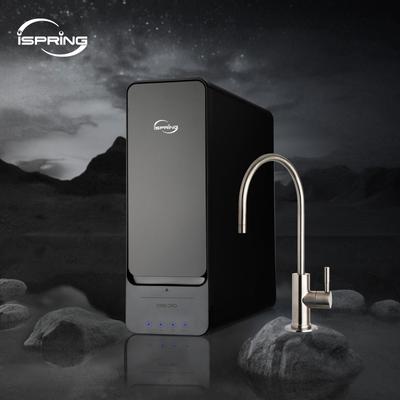
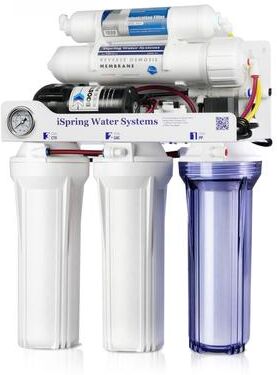
iSpring RO800G+UVF8 Tankless RO System with UV Light, Brushed Nickel Faucet[Efficient Water Management] - The RO800G-UV under-sink reverse osmosis water filter stands out with an impressive 2.5:1 pure-to-waste water ratio, conserving up to 750% more water than traditional systems.819,99 $*Shipping: 0,00 $Secure redirect to the provider


-
What is a tankless water heater?
A tankless water heater is a type of water heater that heats water on demand, rather than storing hot water in a tank. When hot water is needed, cold water flows through the unit and is heated by a heat source, such as a gas burner or electric element. Tankless water heaters are more energy-efficient than traditional tank water heaters because they only heat water when it is needed, reducing standby heat loss. They also provide a continuous supply of hot water, as they are not limited by the size of a tank. **
-
Can a tankless water heater explode?
While it is extremely rare, a tankless water heater can potentially explode if there is a malfunction or a buildup of pressure within the unit. However, modern tankless water heaters are equipped with safety features such as pressure relief valves to prevent such incidents. It is important to properly maintain and service your tankless water heater to reduce the risk of any potential issues. **
-
Is a tankless water heater dangerous?
Tankless water heaters are not inherently dangerous, but like any appliance, they can pose risks if not properly installed or maintained. If installed incorrectly, there is a risk of gas leaks or carbon monoxide poisoning. Additionally, if the unit is not properly maintained, there is a risk of overheating or electrical malfunctions. However, with proper installation and regular maintenance, tankless water heaters can be a safe and efficient option for providing hot water in a home. **
-
What does my tankless water heater consume?
A tankless water heater consumes energy to heat water on demand, rather than storing hot water in a tank. The energy consumption of a tankless water heater depends on factors such as the flow rate of hot water needed, the temperature of the incoming water, and the efficiency of the unit. Generally, tankless water heaters are more energy-efficient than traditional tank water heaters because they only heat water when it is needed, reducing standby energy losses. **
Can a tankless water heater burn out?
Yes, a tankless water heater can burn out if it is not properly maintained or if it is subjected to excessive use or high water pressure. Over time, the heating elements or other components of the tankless water heater can wear out or fail, leading to a burnout. Regular maintenance and proper installation can help prevent burnouts in tankless water heaters. **
Are there alternatives to tankless water heaters?
Yes, there are alternatives to tankless water heaters. Traditional tank water heaters are a common alternative, where water is stored and heated in a large tank until it is needed. Heat pump water heaters are another option, which use electricity to move heat from the air or ground to heat water. Solar water heaters are also available, using the sun's energy to heat water. Each type of water heater has its own advantages and disadvantages, so it's important to consider your specific needs and preferences when choosing the best option for your home. **
Top-Angebote
Products related to Tankless:
-
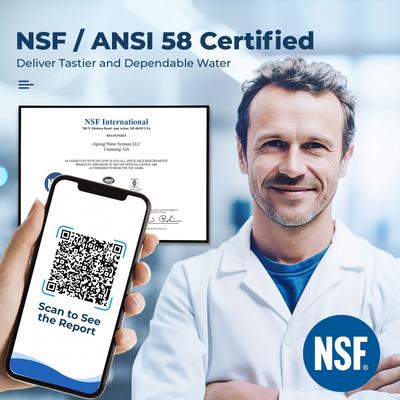
iSpring RO500-BN, NSF Certified Tankless RO Reverse Osmosis Water Filtration System, 500 GPD Fast Flow, Brushed Nickel Faucet[NSF 58 Certified] iSpring RO500-BN tankless reverse osmosis system is NSF 58 certified for TDS reduction. [Next Generation RO System] iSpring RO500-BN is the next generation reverse osmosis filtration system.696,99 $*Shipping: 0,00 $Secure redirect to the provider
-
iSpring RCD100 5-Stage Countertop Reverse Osmosis Water Dispenser, Instant Hot RO Water, UV Filter, Tankless w/Extra Filter SetAdvanced 5-Stage Filtration – Removes up to 99% of over 1,000 harmful contaminants including chlorine, lead, PFAS, microplastics, and heavy metals for safe, fresh water every time.576,72 $*Shipping: 0,00 $Secure redirect to the provider
-
PureDrop PDR-100RO Under Sink 3-Stage Reverse Osmosis Drinking Water Filtration System High Capacity 100 GPD Fast Flow Tankless SystemSuperior Filtration: The PDR-100RO ensures superior filtration efficiency through its meticulously designed three-stage system.279,22 $*Shipping: 0,00 $Secure redirect to the provider
-
Are tankless water heaters still energy-efficient?
Yes, tankless water heaters are still energy-efficient. They only heat water when it is needed, which reduces energy consumption compared to traditional water heaters that continuously heat and store water. Additionally, tankless water heaters have a longer lifespan and can save homeowners money on their energy bills over time. However, it's important to note that the energy efficiency of a tankless water heater can depend on factors such as the size of the unit, the climate, and the hot water usage habits of the household. **
-
Is a kettle more efficient than a tankless water heater?
A kettle is more efficient than a tankless water heater for heating small amounts of water at a time. Kettles are designed to quickly heat up small volumes of water, making them more energy-efficient for this purpose. On the other hand, tankless water heaters are more efficient for providing a continuous supply of hot water for an entire household, as they can heat water on demand without the need for a storage tank. Therefore, the efficiency of each appliance depends on the specific use case and the volume of water being heated. **
-
What is a tankless water heater?
A tankless water heater is a type of water heater that heats water on demand, rather than storing hot water in a tank. When hot water is needed, cold water flows through the unit and is heated by a heat source, such as a gas burner or electric element. Tankless water heaters are more energy-efficient than traditional tank water heaters because they only heat water when it is needed, reducing standby heat loss. They also provide a continuous supply of hot water, as they are not limited by the size of a tank. **
-
Can a tankless water heater explode?
While it is extremely rare, a tankless water heater can potentially explode if there is a malfunction or a buildup of pressure within the unit. However, modern tankless water heaters are equipped with safety features such as pressure relief valves to prevent such incidents. It is important to properly maintain and service your tankless water heater to reduce the risk of any potential issues. **
Similar search terms for Tankless
-
iSpring RO800G+UVF8 Tankless RO System with UV Light, Brushed Nickel Faucet[Efficient Water Management] - The RO800G-UV under-sink reverse osmosis water filter stands out with an impressive 2.5:1 pure-to-waste water ratio, conserving up to 750% more water than traditional systems.819,99 $*Shipping: 0,00 $Secure redirect to the provider
-
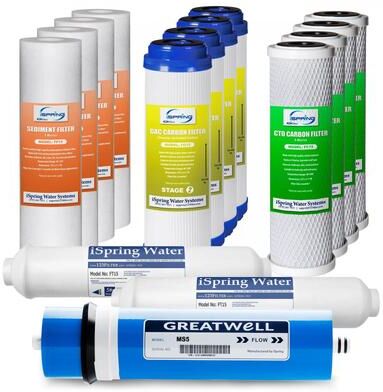
iSpring, 500 GPD Tankless RO System Replacement Filter Set, 2-year Supply, fits RCS5TFeatures: 2-Year Supply of replacement filters for iSpring 500GPD commercial tankless RO system 15 filter cartridges individually wrapped for freshness One piece of 500GPD RO membrane included Guarantees the performance of the iSpring reverse osmosis…283,94 $*Shipping: 0,00 $Secure redirect to the provider
-
Is a tankless water heater dangerous?
Tankless water heaters are not inherently dangerous, but like any appliance, they can pose risks if not properly installed or maintained. If installed incorrectly, there is a risk of gas leaks or carbon monoxide poisoning. Additionally, if the unit is not properly maintained, there is a risk of overheating or electrical malfunctions. However, with proper installation and regular maintenance, tankless water heaters can be a safe and efficient option for providing hot water in a home. **
-
What does my tankless water heater consume?
A tankless water heater consumes energy to heat water on demand, rather than storing hot water in a tank. The energy consumption of a tankless water heater depends on factors such as the flow rate of hot water needed, the temperature of the incoming water, and the efficiency of the unit. Generally, tankless water heaters are more energy-efficient than traditional tank water heaters because they only heat water when it is needed, reducing standby energy losses. **
-
Can a tankless water heater burn out?
Yes, a tankless water heater can burn out if it is not properly maintained or if it is subjected to excessive use or high water pressure. Over time, the heating elements or other components of the tankless water heater can wear out or fail, leading to a burnout. Regular maintenance and proper installation can help prevent burnouts in tankless water heaters. **
-
Are there alternatives to tankless water heaters?
Yes, there are alternatives to tankless water heaters. Traditional tank water heaters are a common alternative, where water is stored and heated in a large tank until it is needed. Heat pump water heaters are another option, which use electricity to move heat from the air or ground to heat water. Solar water heaters are also available, using the sun's energy to heat water. Each type of water heater has its own advantages and disadvantages, so it's important to consider your specific needs and preferences when choosing the best option for your home. **
* All prices are inclusive of VAT and, if applicable, plus shipping costs. The offer information is based on the details provided by the respective shop and is updated through automated processes. Real-time updates do not occur, so deviations can occur in individual cases. ** Note: Parts of this content were created by AI.