Buy quick-check.eu ?
We are moving the project
quick-check.eu .
Are you interested in purchasing the domain
quick-check.eu ?
domain@kv-gmbh.de · 0541-91531010
Buy quick-check.eu ?
What is Physics 1066?
Physics 1066 is a course that covers the fundamental principles of physics, including mechanics, thermodynamics, and electromagnetism. It is typically an introductory level course designed for students who have little to no background in physics. The course aims to provide students with a basic understanding of the principles and laws that govern the physical world, and to develop their problem-solving and critical thinking skills. Topics covered in Physics 1066 may include motion, forces, energy, heat, electricity, and magnetism. **
Can someone name the most important engine parts?
Some of the most important engine parts include the pistons, which move up and down to generate power; the cylinder block, which houses the cylinders and other major engine components; the crankshaft, which converts the up-and-down motion of the pistons into rotational motion; the camshaft, which controls the opening and closing of the engine's valves; and the cylinder head, which contains the valves, spark plugs, and other components necessary for combustion. These parts work together to ensure the proper functioning of the engine and are crucial for its overall performance. **


Similar search terms for KAVO-PARTS-EEM-1066-Engine
Top-Angebote
Products related to KAVO-PARTS-EEM-1066-Engine:


-
How many individual parts does a gasoline engine have?
A gasoline engine typically consists of hundreds of individual parts. Some of the key components include the cylinder block, pistons, crankshaft, camshaft, valves, spark plugs, fuel injectors, and various sensors. Each part plays a crucial role in the functioning of the engine, working together to generate power and propel the vehicle. **
-
Roughly how many parts does a gasoline engine consist of?
A gasoline engine consists of many parts, but the main components can be roughly categorized into the following groups: the engine block, cylinder head, pistons, connecting rods, crankshaft, camshaft, valves, fuel injectors, intake and exhaust manifolds, and the ignition system. This is a simplified breakdown, and there are many more smaller components that make up a gasoline engine, but these are the essential parts that work together to produce power and drive a vehicle. **
-
Does the RAM clock at 1066 instead of 3200 MHz?
No, the RAM does not clock at 1066 MHz instead of 3200 MHz. The RAM's clock speed is determined by its specifications and it should run at the advertised speed, in this case, 3200 MHz. If the RAM is running at a lower speed, it could be due to a configuration issue in the system's BIOS or a compatibility issue with the motherboard. It's important to check the system settings and ensure that the RAM is running at its intended speed for optimal performance. **
-
What are the parts of an engine and what are their functions?
An engine typically consists of several key components, including the cylinder block, pistons, crankshaft, camshaft, valves, spark plugs, and fuel injectors. The cylinder block houses the cylinders where the combustion process takes place. Pistons move up and down within the cylinders, converting the energy from the combustion process into mechanical motion. The crankshaft converts the linear motion of the pistons into rotational motion, which drives the vehicle. The camshaft controls the opening and closing of the valves, allowing air and fuel to enter the cylinders and exhaust gases to exit. Spark plugs ignite the air-fuel mixture in the cylinders, while fuel injectors deliver the right amount of fuel for combustion. **

What is the most efficient heat engine?
The most efficient heat engine is the Carnot engine, which operates on the Carnot cycle. It achieves the highest possible efficiency for a heat engine, as it operates between two temperature reservoirs and has no internal irreversibilities. The efficiency of the Carnot engine is determined by the temperature difference between the hot and cold reservoirs, and it is given by the formula: 1 - (Tc/Th), where Tc is the temperature of the cold reservoir and Th is the temperature of the hot reservoir. While the Carnot engine is an idealized concept and not practically achievable, it sets the upper limit for the efficiency of real heat engines. **
Is the Audi TFSI engine reliable?
The Audi TFSI engine is generally considered to be reliable, with many owners reporting positive experiences in terms of performance and longevity. However, like any engine, proper maintenance and regular servicing are key factors in ensuring its reliability. Some older models may have had issues with carbon buildup on intake valves, but this can be mitigated with proper care and maintenance. Overall, the Audi TFSI engine is well-regarded for its balance of power and efficiency. **
Top-Angebote
Products related to KAVO-PARTS-EEM-1066-Engine:
-
What is Physics 1066?
Physics 1066 is a course that covers the fundamental principles of physics, including mechanics, thermodynamics, and electromagnetism. It is typically an introductory level course designed for students who have little to no background in physics. The course aims to provide students with a basic understanding of the principles and laws that govern the physical world, and to develop their problem-solving and critical thinking skills. Topics covered in Physics 1066 may include motion, forces, energy, heat, electricity, and magnetism. **
-
Can someone name the most important engine parts?
Some of the most important engine parts include the pistons, which move up and down to generate power; the cylinder block, which houses the cylinders and other major engine components; the crankshaft, which converts the up-and-down motion of the pistons into rotational motion; the camshaft, which controls the opening and closing of the engine's valves; and the cylinder head, which contains the valves, spark plugs, and other components necessary for combustion. These parts work together to ensure the proper functioning of the engine and are crucial for its overall performance. **
-
How many individual parts does a gasoline engine have?
A gasoline engine typically consists of hundreds of individual parts. Some of the key components include the cylinder block, pistons, crankshaft, camshaft, valves, spark plugs, fuel injectors, and various sensors. Each part plays a crucial role in the functioning of the engine, working together to generate power and propel the vehicle. **
-
Roughly how many parts does a gasoline engine consist of?
A gasoline engine consists of many parts, but the main components can be roughly categorized into the following groups: the engine block, cylinder head, pistons, connecting rods, crankshaft, camshaft, valves, fuel injectors, intake and exhaust manifolds, and the ignition system. This is a simplified breakdown, and there are many more smaller components that make up a gasoline engine, but these are the essential parts that work together to produce power and drive a vehicle. **
Similar search terms for KAVO-PARTS-EEM-1066-Engine
-
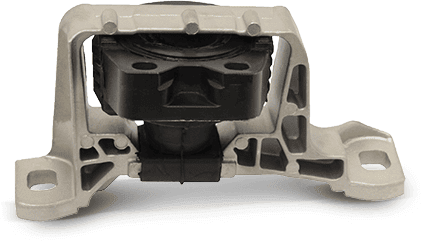
KAVO PARTS EEM-9090 Engine mountFitting Position: Front; Transmission Type: Automatic Transmission; Vehicle type: Celica (Nato); Construction Year to: 08/2002, 07/2002, 05/2004; Construction Year from: 05/2003, 04/2003; for OE number: 1236127030; Vehicle Equipment Line/Trim Level: PRT PRD IN JP(+), J; Vehicle Production Country: Great Britain, Japan; Country Specific Design: Japan40,49 £*Shipping: 8,45 £Secure redirect to the provider
-
Does the RAM clock at 1066 instead of 3200 MHz?
No, the RAM does not clock at 1066 MHz instead of 3200 MHz. The RAM's clock speed is determined by its specifications and it should run at the advertised speed, in this case, 3200 MHz. If the RAM is running at a lower speed, it could be due to a configuration issue in the system's BIOS or a compatibility issue with the motherboard. It's important to check the system settings and ensure that the RAM is running at its intended speed for optimal performance. **
-
What are the parts of an engine and what are their functions?
An engine typically consists of several key components, including the cylinder block, pistons, crankshaft, camshaft, valves, spark plugs, and fuel injectors. The cylinder block houses the cylinders where the combustion process takes place. Pistons move up and down within the cylinders, converting the energy from the combustion process into mechanical motion. The crankshaft converts the linear motion of the pistons into rotational motion, which drives the vehicle. The camshaft controls the opening and closing of the valves, allowing air and fuel to enter the cylinders and exhaust gases to exit. Spark plugs ignite the air-fuel mixture in the cylinders, while fuel injectors deliver the right amount of fuel for combustion. **
-
What is the most efficient heat engine?
The most efficient heat engine is the Carnot engine, which operates on the Carnot cycle. It achieves the highest possible efficiency for a heat engine, as it operates between two temperature reservoirs and has no internal irreversibilities. The efficiency of the Carnot engine is determined by the temperature difference between the hot and cold reservoirs, and it is given by the formula: 1 - (Tc/Th), where Tc is the temperature of the cold reservoir and Th is the temperature of the hot reservoir. While the Carnot engine is an idealized concept and not practically achievable, it sets the upper limit for the efficiency of real heat engines. **
-
Is the Audi TFSI engine reliable?
The Audi TFSI engine is generally considered to be reliable, with many owners reporting positive experiences in terms of performance and longevity. However, like any engine, proper maintenance and regular servicing are key factors in ensuring its reliability. Some older models may have had issues with carbon buildup on intake valves, but this can be mitigated with proper care and maintenance. Overall, the Audi TFSI engine is well-regarded for its balance of power and efficiency. **
* All prices are inclusive of VAT and, if applicable, plus shipping costs. The offer information is based on the details provided by the respective shop and is updated through automated processes. Real-time updates do not occur, so deviations can occur in individual cases. ** Note: Parts of this content were created by AI.