Buy quick-check.eu ?
We are moving the project
quick-check.eu .
Are you interested in purchasing the domain
quick-check.eu ?
domain@kv-gmbh.de · 0541-91531010
Buy quick-check.eu ?
How to check data errors using CRC?
To check data errors using CRC (Cyclic Redundancy Check), the sender first calculates the CRC value for the data using a specific algorithm. This CRC value is then appended to the data before transmission. The receiver also calculates the CRC value for the received data using the same algorithm. If the calculated CRC value at the receiver matches the one received from the sender, it indicates that the data has been received without errors. If the CRC values do not match, it signifies that errors have occurred during transmission. **
How to check for data errors using CRC?
To check for data errors using CRC (Cyclic Redundancy Check), the receiver first calculates the CRC value for the received data using the same CRC algorithm as the sender. This calculated CRC value is then compared to the CRC value sent by the sender. If the two CRC values match, it indicates that the data has been received without errors. However, if the CRC values do not match, it signifies that the data has been corrupted during transmission and needs to be retransmitted. **


Similar search terms for CRC-32030-AA-Engine-Oil
Top-Angebote
Products related to CRC-32030-AA-Engine-Oil:
-
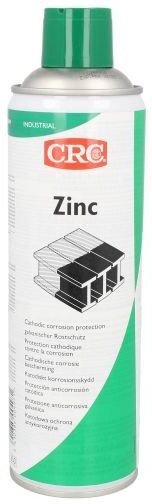
CRC 32350-AA Rust converterCapacity [ml]: 500; Container Type: aerosol; Chemical Properties: Long-term Protection, Water-repellent; Suitable For (substance/mix/gas/chemicals): Metal; Time Domain: 2 year; Weight [g]: 458; Version: SP 400; Liquid:19,99 £*Shipping: 8,45 £Secure redirect to the provider


-
How do you check for data errors using CRC?
To check for data errors using CRC (Cyclic Redundancy Check), the sender first calculates a CRC value based on the data being sent. This CRC value is then appended to the data and sent to the receiver. The receiver recalculates the CRC value based on the received data (including the appended CRC value) and compares it to the received CRC value. If the two CRC values match, it indicates that the data has been received without errors. If the CRC values do not match, it indicates that errors have occurred during transmission. **
-
Why does the check engine light come on after adding oil?
The check engine light may come on after adding oil due to a variety of reasons. One common reason is that adding oil may have caused an issue with the oxygen sensor or the catalytic converter, which can trigger the check engine light. Additionally, if oil was spilled onto the engine or other components during the oil change, it could lead to electrical issues that trigger the light. It is important to have the vehicle checked by a mechanic to diagnose the specific cause of the check engine light coming on after adding oil. **
-
What is a CRC check and how does it detect errors?
A CRC (Cyclic Redundancy Check) is a type of error-detecting code used to ensure the accuracy of data transmission over a network or storage device. It works by generating a fixed-size checksum based on the data being transmitted. This checksum is then appended to the data and sent along with it. At the receiving end, the checksum is recalculated and compared with the received checksum. If they match, it is assumed that the data was transmitted without errors. If they do not match, it indicates that errors have occurred during transmission. **
-
How does the CRC check work on a new hard drive?
When a new hard drive is initialized, a cyclic redundancy check (CRC) is performed to ensure the integrity of the data being written to the drive. The CRC check works by generating a unique checksum for each block of data being written to the drive. This checksum is then stored along with the data. When the data is read back from the drive, the CRC check is performed again, and the generated checksum is compared with the stored checksum. If they match, the data is considered to be intact. If they don't match, it indicates that the data has been corrupted during the writing or reading process, and appropriate measures can be taken to correct the error. **


Which engine oil is recommended for a 125cc 4-stroke engine?
For a 125cc 4-stroke engine, it is recommended to use a high-quality, fully synthetic engine oil with a viscosity rating of 10W-40. This type of oil provides better lubrication and protection for the engine components, especially under high temperatures and heavy loads. It is important to check the owner's manual of the specific motorcycle to ensure the correct type and viscosity of engine oil is being used for optimal performance and longevity of the engine. **
How do I mix 2-stroke engine oil with another oil?
To mix 2-stroke engine oil with another oil, you will need to ensure that both oils are compatible and have similar viscosity ratings. Start by pouring the recommended amount of 2-stroke oil into a clean container. Then, slowly add the other oil while stirring gently to ensure thorough mixing. It is important to follow the manufacturer's guidelines for the correct oil ratio to avoid damaging your engine. **
Top-Angebote
Products related to CRC-32030-AA-Engine-Oil:
-
CRC 32350-AA Rust converterCapacity [ml]: 500; Container Type: aerosol; Chemical Properties: Long-term Protection, Water-repellent; Suitable For (substance/mix/gas/chemicals): Metal; Time Domain: 2 year; Weight [g]: 458; Version: SP 400; Liquid:19,99 £*Shipping: 8,45 £Secure redirect to the provider
-
How to check data errors using CRC?
To check data errors using CRC (Cyclic Redundancy Check), the sender first calculates the CRC value for the data using a specific algorithm. This CRC value is then appended to the data before transmission. The receiver also calculates the CRC value for the received data using the same algorithm. If the calculated CRC value at the receiver matches the one received from the sender, it indicates that the data has been received without errors. If the CRC values do not match, it signifies that errors have occurred during transmission. **
-
How to check for data errors using CRC?
To check for data errors using CRC (Cyclic Redundancy Check), the receiver first calculates the CRC value for the received data using the same CRC algorithm as the sender. This calculated CRC value is then compared to the CRC value sent by the sender. If the two CRC values match, it indicates that the data has been received without errors. However, if the CRC values do not match, it signifies that the data has been corrupted during transmission and needs to be retransmitted. **
-
How do you check for data errors using CRC?
To check for data errors using CRC (Cyclic Redundancy Check), the sender first calculates a CRC value based on the data being sent. This CRC value is then appended to the data and sent to the receiver. The receiver recalculates the CRC value based on the received data (including the appended CRC value) and compares it to the received CRC value. If the two CRC values match, it indicates that the data has been received without errors. If the CRC values do not match, it indicates that errors have occurred during transmission. **
-
Why does the check engine light come on after adding oil?
The check engine light may come on after adding oil due to a variety of reasons. One common reason is that adding oil may have caused an issue with the oxygen sensor or the catalytic converter, which can trigger the check engine light. Additionally, if oil was spilled onto the engine or other components during the oil change, it could lead to electrical issues that trigger the light. It is important to have the vehicle checked by a mechanic to diagnose the specific cause of the check engine light coming on after adding oil. **
Similar search terms for CRC-32030-AA-Engine-Oil
-
What is a CRC check and how does it detect errors?
A CRC (Cyclic Redundancy Check) is a type of error-detecting code used to ensure the accuracy of data transmission over a network or storage device. It works by generating a fixed-size checksum based on the data being transmitted. This checksum is then appended to the data and sent along with it. At the receiving end, the checksum is recalculated and compared with the received checksum. If they match, it is assumed that the data was transmitted without errors. If they do not match, it indicates that errors have occurred during transmission. **
-
How does the CRC check work on a new hard drive?
When a new hard drive is initialized, a cyclic redundancy check (CRC) is performed to ensure the integrity of the data being written to the drive. The CRC check works by generating a unique checksum for each block of data being written to the drive. This checksum is then stored along with the data. When the data is read back from the drive, the CRC check is performed again, and the generated checksum is compared with the stored checksum. If they match, the data is considered to be intact. If they don't match, it indicates that the data has been corrupted during the writing or reading process, and appropriate measures can be taken to correct the error. **
-
Which engine oil is recommended for a 125cc 4-stroke engine?
For a 125cc 4-stroke engine, it is recommended to use a high-quality, fully synthetic engine oil with a viscosity rating of 10W-40. This type of oil provides better lubrication and protection for the engine components, especially under high temperatures and heavy loads. It is important to check the owner's manual of the specific motorcycle to ensure the correct type and viscosity of engine oil is being used for optimal performance and longevity of the engine. **
-
How do I mix 2-stroke engine oil with another oil?
To mix 2-stroke engine oil with another oil, you will need to ensure that both oils are compatible and have similar viscosity ratings. Start by pouring the recommended amount of 2-stroke oil into a clean container. Then, slowly add the other oil while stirring gently to ensure thorough mixing. It is important to follow the manufacturer's guidelines for the correct oil ratio to avoid damaging your engine. **
* All prices are inclusive of VAT and, if applicable, plus shipping costs. The offer information is based on the details provided by the respective shop and is updated through automated processes. Real-time updates do not occur, so deviations can occur in individual cases. ** Note: Parts of this content were created by AI.