Buy quick-check.eu ?
We are moving the project
quick-check.eu .
Are you interested in purchasing the domain
quick-check.eu ?
domain@kv-gmbh.de · 0541-91531010
Buy quick-check.eu ?
Is the voltage tester, phase tester, and non-contact voltage tester dangerous?
Yes, the voltage tester, phase tester, and non-contact voltage tester can be dangerous if not used properly. These tools are designed to detect the presence of electrical current, which can be harmful if mishandled. It is important to follow safety precautions, such as wearing insulated gloves and ensuring the tools are in good working condition, to avoid the risk of electric shock or injury. Proper training and knowledge of how to use these tools safely are essential to prevent accidents. **
What is the difference between antifreeze and writing antifreeze?
Antifreeze is a substance used in a vehicle's cooling system to prevent the engine from freezing in cold temperatures and overheating in hot temperatures. Writing antifreeze, on the other hand, is a product used to prevent ink from freezing in pens and other writing instruments in cold temperatures. While both serve the purpose of preventing freezing, they are used in different contexts and for different applications. Antifreeze is used in automotive and industrial applications, while writing antifreeze is used in office and personal settings. **
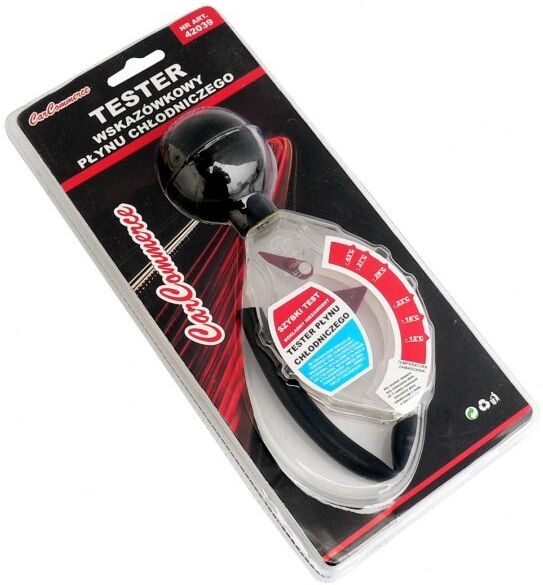
Similar search terms for CARCOMMERCE-42039-Antifreeze-Tester
Top-Angebote
Products related to CARCOMMERCE-42039-Antifreeze-Tester:
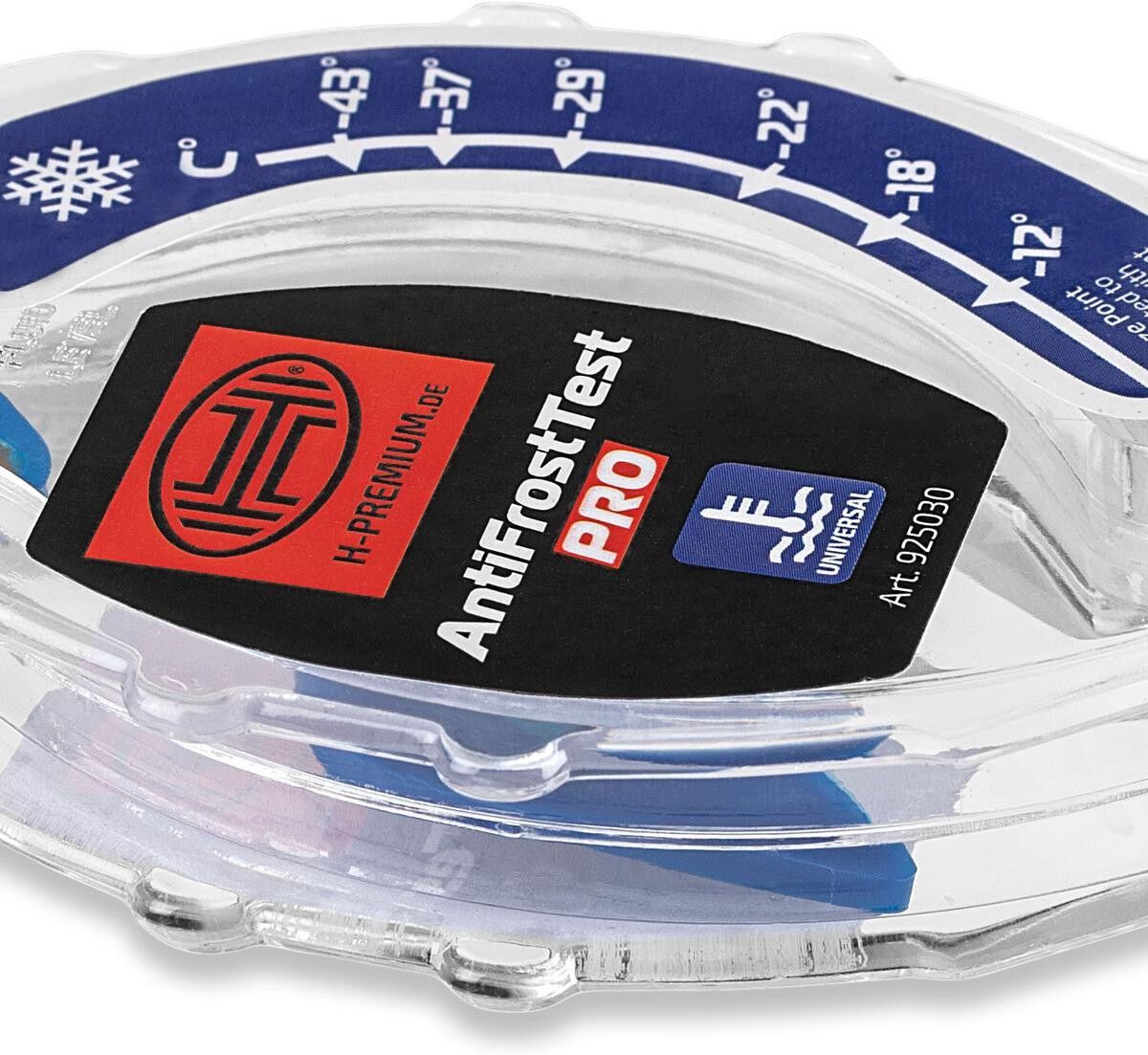



-
Can antifreeze freeze?
Yes, antifreeze can freeze. Antifreeze is designed to lower the freezing point of water, but it is not immune to freezing itself. The freezing point of antifreeze depends on its chemical composition, with most types freezing at temperatures below 0 degrees Celsius. Therefore, in extremely cold conditions, antifreeze can still freeze, potentially causing damage to a vehicle's cooling system. **
-
What is the difference between antifreeze concentrate and regular antifreeze?
Antifreeze concentrate is a more potent form of antifreeze that needs to be diluted with water before use, typically in a 50/50 ratio. Regular antifreeze, on the other hand, is already pre-diluted and ready to be used in a vehicle's cooling system. Antifreeze concentrate is more cost-effective and allows for more control over the mixture ratio, while regular antifreeze is more convenient and ready to use without any additional steps. Both types of antifreeze serve the same purpose of preventing freezing and overheating in a vehicle's engine. **
-
What is antifreeze 2?
Antifreeze 2 is a type of coolant that is used in vehicles to prevent the engine from freezing in cold temperatures and overheating in hot temperatures. It is typically a mixture of water and chemicals, such as ethylene glycol or propylene glycol, that lower the freezing point and raise the boiling point of the coolant. Antifreeze 2 is important for maintaining the proper operating temperature of the engine and preventing damage from extreme temperatures. **
-
What is radiator antifreeze?
Radiator antifreeze, also known as coolant, is a liquid substance that is added to a vehicle's radiator to help regulate the engine's temperature. It is typically a mixture of water and ethylene glycol or propylene glycol, along with other additives to prevent corrosion and lubricate the water pump. Antifreeze helps to prevent the engine from freezing in cold temperatures and also helps to prevent it from overheating in hot temperatures. It is an essential component for maintaining the proper functioning of a vehicle's cooling system. **

What is antifreeze 3?
Antifreeze 3 is a type of coolant used in automotive engines to prevent freezing and overheating. It is a mixture of water and chemicals, such as ethylene glycol or propylene glycol, that lower the freezing point and raise the boiling point of the coolant. Antifreeze 3 also contains corrosion inhibitors to protect the engine's components from rust and corrosion. It is important to regularly check and maintain the antifreeze 3 levels in a vehicle to ensure proper engine function. **
Is it allowed to mix different antifreeze agents? Can something break if yellow antifreeze is mixed with blue antifreeze?
It is generally not recommended to mix different types of antifreeze agents, as they are formulated differently and may not work well together. Mixing yellow antifreeze with blue antifreeze can potentially lead to chemical reactions that could cause damage to the cooling system components. It is best to stick with one type of antifreeze recommended by the manufacturer for your specific vehicle to ensure optimal performance and prevent any potential issues. **
Top-Angebote
Products related to CARCOMMERCE-42039-Antifreeze-Tester:
-
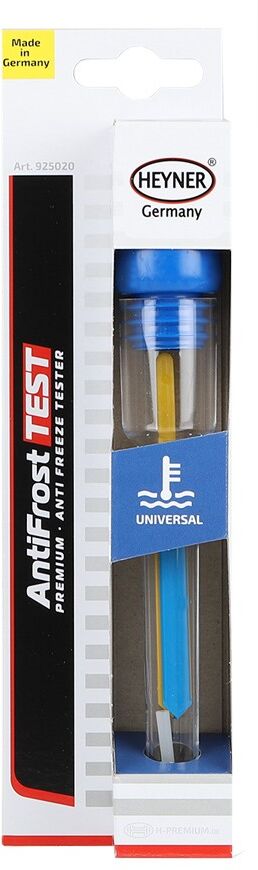
HEYNER 925020 Antifreeze TesterWeight [g]: 500; Width [mm]: 31; Length [mm]: 220; Intake volume [ml]: 14; Measuring Range from [°]: -10; Measuring Range to [°]: -40; Material: Plastic; Colour: blue, yellow; Universal: Yes; Version: AntiFrost Test6,59 £*Shipping: 8,45 £Secure redirect to the provider
-
Is the voltage tester, phase tester, and non-contact voltage tester dangerous?
Yes, the voltage tester, phase tester, and non-contact voltage tester can be dangerous if not used properly. These tools are designed to detect the presence of electrical current, which can be harmful if mishandled. It is important to follow safety precautions, such as wearing insulated gloves and ensuring the tools are in good working condition, to avoid the risk of electric shock or injury. Proper training and knowledge of how to use these tools safely are essential to prevent accidents. **
-
What is the difference between antifreeze and writing antifreeze?
Antifreeze is a substance used in a vehicle's cooling system to prevent the engine from freezing in cold temperatures and overheating in hot temperatures. Writing antifreeze, on the other hand, is a product used to prevent ink from freezing in pens and other writing instruments in cold temperatures. While both serve the purpose of preventing freezing, they are used in different contexts and for different applications. Antifreeze is used in automotive and industrial applications, while writing antifreeze is used in office and personal settings. **
-
Can antifreeze freeze?
Yes, antifreeze can freeze. Antifreeze is designed to lower the freezing point of water, but it is not immune to freezing itself. The freezing point of antifreeze depends on its chemical composition, with most types freezing at temperatures below 0 degrees Celsius. Therefore, in extremely cold conditions, antifreeze can still freeze, potentially causing damage to a vehicle's cooling system. **
-
What is the difference between antifreeze concentrate and regular antifreeze?
Antifreeze concentrate is a more potent form of antifreeze that needs to be diluted with water before use, typically in a 50/50 ratio. Regular antifreeze, on the other hand, is already pre-diluted and ready to be used in a vehicle's cooling system. Antifreeze concentrate is more cost-effective and allows for more control over the mixture ratio, while regular antifreeze is more convenient and ready to use without any additional steps. Both types of antifreeze serve the same purpose of preventing freezing and overheating in a vehicle's engine. **
Similar search terms for CARCOMMERCE-42039-Antifreeze-Tester
-
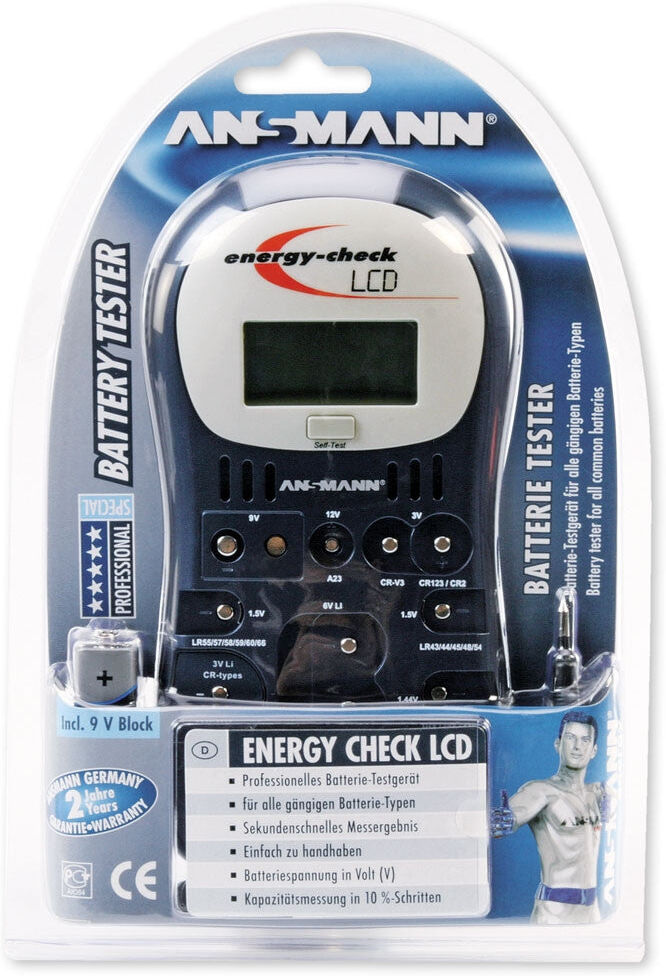
Ansmann Energy Check LCD 4000392 Battery TesterMaximize the longevity and performance of your batteries with the Ansmann Energy Check LCD 4000392 Battery Tester, a sophisticated tool designed to keep your power sources in peak condition. Ideal for both professional businesses and home consumers, this tester provides a quick and reliable method to check the charge level of various battery types. With its precise measurements and easy-to-read LCD display, managing your battery inventory has never been easier or more efficient. This versatile device ensures you never find yourself without power when you need it most, making it an essential addition to any toolkit or household. Key Features: Broad Compatibility: Tests a wide range of battery types including AA, AAA, C, D, and 9V cells, as well as more specialist cells like button cells, CR123A, CR2, CR-V3, 2CR5, and CR-P2, catering to a vast array of devices. LCD Display: Features a clear and easy-to-read LCD screen that shows the battery status as a percentage of its capacity, allowing for precise and immediate understanding of each battery's condition. Automatic Shut-off: To conserve energy, the device automatically powers down after a period of inactivity, making it more efficient and eco-friendly. Portable Design: Its compact and lightweight design makes it easy to carry, suitable for both professional and personal use on the go. Ease of Use: Simple operation with no complicated settings, providing quick and accurate readings with minimal effort. Technical Specifications: Model: Ansmann Energy Check LCD 4000392 Display: Digital LCD Compatible Battery Types: AA, AAA, C, D, 9V, button cells, CR123A, CR2, CR-V3, 2CR5, CR-P2 Auto Shut-off Time: 2 minutes of inactivity Power Supply: Battery operated (batteries included) Dimensions: Compact and lightweight for easy handling and storage Common Applications: Home Applications: Ideal for testing batteries in household items such as remote controls, smoke alarms, flashlights, and toys. Professional Use: Essential for businesses to manage battery stocks for office equipment, security systems, and professional tools. Specialist Cells Testing: Perfect for photographers, audiophiles, and tech enthusiasts who use devices requiring CR123A, CR2, or other specialist batteries. In conclusion, the Ansmann Energy Check LCD 4000392 Battery Tester is a highly versatile and user-friendly device that caters to a wide range of battery testing needs. Whether you're a professional looking to maintain an efficient workspace, or a home user aiming to keep your devices powered and ready to go, this tester provides the reliability and accuracy you need. With its broad compatibility and easy-to-use features, it stands as an indispensable tool for anyone looking to optimize their battery usage and ensure their devices are always powered up and ready for action.38,49 £*Shipping: 2,49 £Secure redirect to the provider
-
CARCOMMERCE 42434 Jumper cablesCurrent carrying capacity [A]: 600; Cable Colour: red/black; Peak Current [A]: 600; Current Strength to [A]: 600; Vehicle type: Passenger cars; Material: Copper; Length [m]: 2.5; suited for engine type: Diesel, Petrol Engine; Supplementary Article / Supplementary Info Info 2: with overvoltage protection12,49 £*Shipping: 8,45 £Secure redirect to the provider
-
What is antifreeze 2?
Antifreeze 2 is a type of coolant that is used in vehicles to prevent the engine from freezing in cold temperatures and overheating in hot temperatures. It is typically a mixture of water and chemicals, such as ethylene glycol or propylene glycol, that lower the freezing point and raise the boiling point of the coolant. Antifreeze 2 is important for maintaining the proper operating temperature of the engine and preventing damage from extreme temperatures. **
-
What is radiator antifreeze?
Radiator antifreeze, also known as coolant, is a liquid substance that is added to a vehicle's radiator to help regulate the engine's temperature. It is typically a mixture of water and ethylene glycol or propylene glycol, along with other additives to prevent corrosion and lubricate the water pump. Antifreeze helps to prevent the engine from freezing in cold temperatures and also helps to prevent it from overheating in hot temperatures. It is an essential component for maintaining the proper functioning of a vehicle's cooling system. **
-
What is antifreeze 3?
Antifreeze 3 is a type of coolant used in automotive engines to prevent freezing and overheating. It is a mixture of water and chemicals, such as ethylene glycol or propylene glycol, that lower the freezing point and raise the boiling point of the coolant. Antifreeze 3 also contains corrosion inhibitors to protect the engine's components from rust and corrosion. It is important to regularly check and maintain the antifreeze 3 levels in a vehicle to ensure proper engine function. **
-
Is it allowed to mix different antifreeze agents? Can something break if yellow antifreeze is mixed with blue antifreeze?
It is generally not recommended to mix different types of antifreeze agents, as they are formulated differently and may not work well together. Mixing yellow antifreeze with blue antifreeze can potentially lead to chemical reactions that could cause damage to the cooling system components. It is best to stick with one type of antifreeze recommended by the manufacturer for your specific vehicle to ensure optimal performance and prevent any potential issues. **
* All prices are inclusive of VAT and, if applicable, plus shipping costs. The offer information is based on the details provided by the respective shop and is updated through automated processes. Real-time updates do not occur, so deviations can occur in individual cases. ** Note: Parts of this content were created by AI.