Buy quick-check.eu ?
We are moving the project
quick-check.eu .
Are you interested in purchasing the domain
quick-check.eu ?
domain@kv-gmbh.de · 0541-91531010
Buy quick-check.eu ?
What is a Ridex cabin air filter?
A Ridex cabin air filter is a type of air filter designed specifically for the cabin of a vehicle. It is installed in the HVAC system of the car to help improve the air quality inside the cabin by filtering out dust, pollen, and other airborne particles. This can help reduce allergens and pollutants inside the vehicle, creating a cleaner and healthier environment for the occupants. Ridex cabin air filters are typically made with high-quality materials and are designed to be a direct replacement for the original filter in the vehicle. **
What does the fuel low-pressure sensor do?
The fuel low-pressure sensor is responsible for monitoring the pressure of the fuel in the fuel system. It detects when the fuel pressure drops below a certain threshold, indicating that there may be an issue with the fuel system such as a leak or a clog. When the sensor detects low fuel pressure, it sends a signal to the vehicle's engine control unit (ECU) to alert the driver through a warning light on the dashboard. This helps prevent potential damage to the engine and ensures the vehicle operates efficiently. **

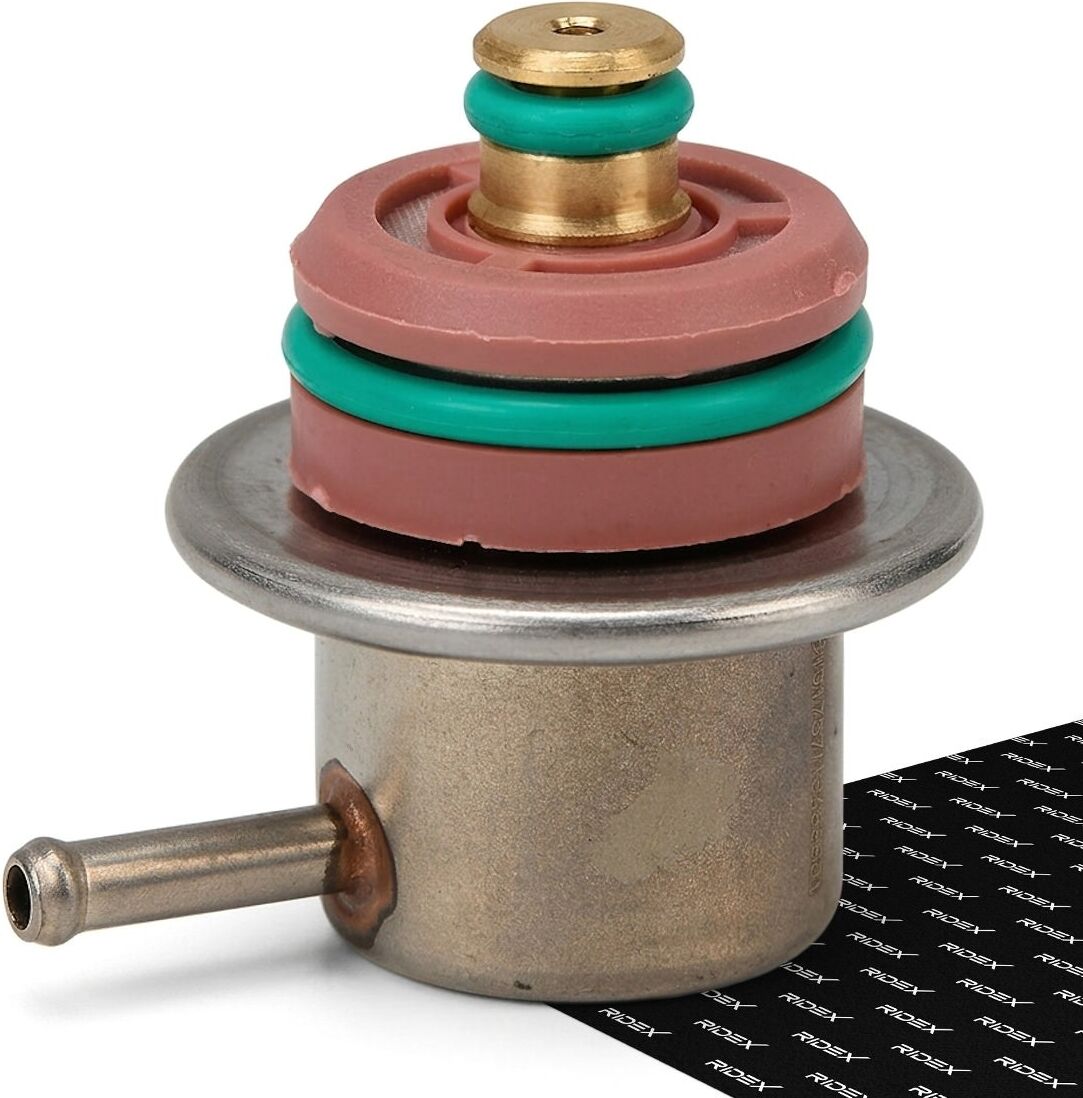
Similar search terms for RIDEX-3996P0059-Fuel-pressure
Top-Angebote
Products related to RIDEX-3996P0059-Fuel-pressure:
-
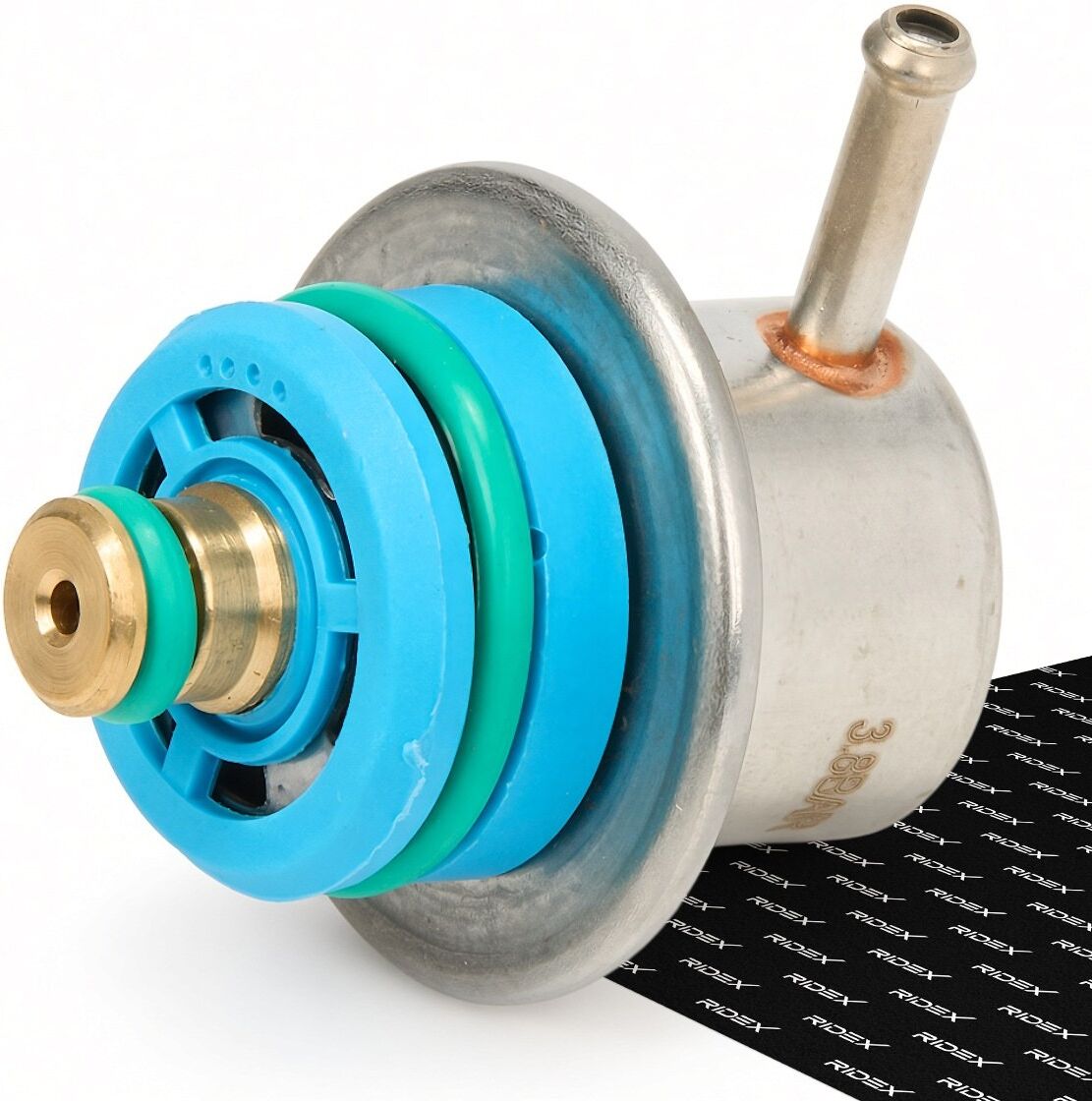
RIDEX 168C0004 Fuel pressure regulatorOperating Pressure [bar]: 3,8; Outlet Diameter [mm]: 9; Construction Year from: 07/1993, 06/1993, 09/1995, 09/1996, 09/1997, 03/1998, 08/2003, 02/2004; Construction Year to: 05/1996, 05/1998, 09/1995, 09/1998, 05/1993, 04/2000, 09/1996, 05/1997, 06/1996, 04/1997, 11/1997, 03/2000, 02/1997, 06/2003, 02/2001, 01/2000, 06/2000, 08/2001, 01/2003, 08/2000, 08/2002, 12/2002, 02/1994, 12/200513,49 £*Shipping: 8,45 £Secure redirect to the provider
-
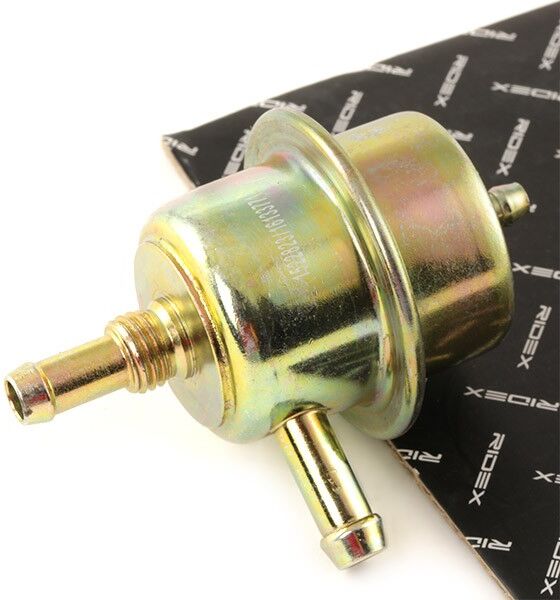
RIDEX 168C0008 Fuel pressure regulatorOperating Mode: hydraulic; Pressure [bar]: 3,5; Pressure [psi]: 50,8; TecDoc Engine Number: 28380, 28376, 28378, 28388, 28410, 28389, 28397, 28398, 28382, 28390, 28391; Construction Year from: 07/1992; Production date to: 30.04.2002; TecDoc PC Type Number: 15894, 15895, 126077, 126078, 15266, 15269, 15270, 15272, 15454, 15455, 15456, 15457, 15925, 105995, 15271, 15273, 106008, 17176, 49, 52, 53, 3825, 50, 3726, 3811, 9201, 13259, 5110, 5098, 5102, 5103, 5109, 54, 55, 238, 251, 302, 241, 242, 252, 253, 303, 35674, 59, 61, 14186, 14427, 4623, 5052, 7745, 121968, 5093, 7747, 4628, 5095, 5099, 5100, 8784, 10502, 106006, 126080, 14397, 9091, 4624, 4627, 4629, 4630, 5094, 5105, 7746, 8829, 9090, 245, 255, 287, 3812, 3813, 250, 290, 3727, 3814, 4635, 5106, 5545, 121950, 13088, 5104, 5107, 5404, 7748, 124064, 13042, 3815, 3816, 124065, 249, 3846, 35772, 16328, 35769, 35773, 35776, 35796, 35801, 15924, 16325, 1674118,99 £*Shipping: 8,45 £Secure redirect to the provider
-
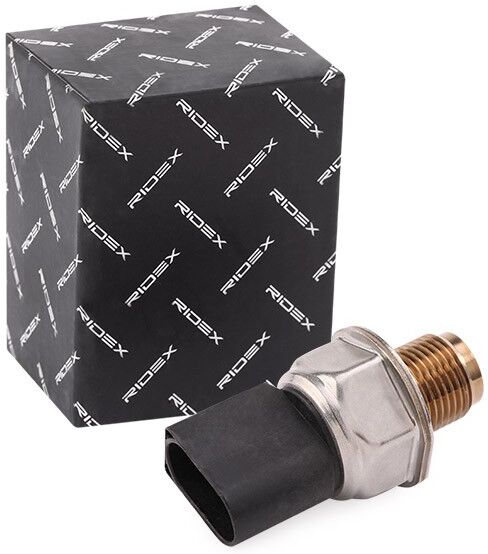
RIDEX 3942S0044 Fuel pressure sensorThread Size: M 12; Thread Pitch [mm]: 1,5; Spanner Size: 24; Number of pins: 3; Supplementary Article / Supplementary Info Info 2: without seal ring; Connector Shape: oval; Housing Colour: black; Housing material: GRP (Glass fibre Reinforced Plastic); Fuel Mixture Formation: Common Rail (CR); Voltage [V]: 12; TecDoc Engine Number: 23792, 23791, 26045; Engine Number to: 4174271925,49 £*Shipping: 8,45 £Secure redirect to the provider


-
What does the low-pressure fuel sensor do?
The low-pressure fuel sensor is responsible for monitoring the fuel pressure in the fuel system of a vehicle. It detects any fluctuations or drops in fuel pressure and sends this information to the engine control unit. This data helps the engine control unit adjust the fuel delivery to ensure optimal engine performance and fuel efficiency. If the sensor detects a significant drop in fuel pressure, it can trigger a warning light on the dashboard to alert the driver of a potential issue. **
-
How can you save fuel by choosing fuel-efficient routes?
You can save fuel by choosing fuel-efficient routes because these routes are often designed to minimize stops and idling, which can waste fuel. Fuel-efficient routes may also avoid traffic congestion and hills, which can increase fuel consumption. By selecting the most direct and smooth routes, you can reduce the overall distance traveled and the amount of fuel needed to reach your destination. Additionally, using GPS navigation systems or apps that provide real-time traffic updates can help you choose the most efficient route based on current road conditions. **
-
Which old fuel-efficient cars are suitable for saving fuel?
Some old fuel-efficient cars that are suitable for saving fuel include the Honda Civic, Toyota Prius, and Volkswagen Golf TDI. These cars are known for their excellent fuel economy and can help drivers save money on gas. Additionally, their smaller size and lighter weight contribute to their fuel efficiency, making them a good choice for those looking to reduce their fuel consumption. **
-
What does fuel-efficient driving mean?
Fuel-efficient driving refers to adopting driving habits and techniques that maximize the fuel efficiency of a vehicle. This includes practices such as maintaining a steady speed, avoiding rapid acceleration and braking, keeping tires properly inflated, and reducing unnecessary idling. By driving in a fuel-efficient manner, drivers can reduce fuel consumption, save money on gas, and minimize their environmental impact by reducing emissions. **

Which car is more fuel-efficient?
Based on the information provided, Car A is more fuel-efficient as it can travel 40 miles per gallon, while Car B can only travel 30 miles per gallon. This means that Car A can travel a greater distance on the same amount of fuel compared to Car B, making it the more fuel-efficient option. **
Are automatic vehicles more fuel-efficient?
Automatic vehicles can be more fuel-efficient than manual vehicles in certain situations. This is because automatic transmissions can shift gears more efficiently, leading to better fuel economy. However, the fuel efficiency of a vehicle depends on various factors such as the make and model, driving habits, and maintenance. Therefore, it is important to consider all these factors when comparing the fuel efficiency of automatic and manual vehicles. **
Top-Angebote
Products related to RIDEX-3996P0059-Fuel-pressure:
-
RIDEX 3942S0030 Fuel pressure sensorNumber of pins: 3; Spanner Size: 24 mm; Supplementary Article / Supplementary Info Info 2: High-pressure Side; Connector Shape: D Shape; Socket colour: black; Engine Code: CDGA, BWS, CMTA, BLV, BEH, AXU, BAG, AXW, BKG, BLR, BLF, BLX, BHK, AXZ, BSX, BLN, CDVA, CHNA, CGRA; Fitting Position: from rail to injector, from rail to rail, High-pressure Pump (high-pressure side); Vehicle Identification Number (VIN) from: 1K--4--000 00120,49 £*Shipping: 8,45 £Secure redirect to the provider
-
RIDEX 168C0002 Fuel pressure regulatorOperating Mode: hydraulic; Outlet Diameter [mm]: 9; Pressure [bar]: 4; Supplementary Article / Supplementary Info Info 2: with seal ring; Construction Year to: 12/1995, 05/1995, 08/1995, 07/1995, 02/1996, 12/1997, 08/1996, 03/1997, 06/2000, 10/2000, 07/1998, 12/1998, 12/1996, 06/1996, 07/1996, 07/1997, 10/1997, 11/2000, 07/1999, 02/2001, 04/1999, 05/2004, 08/1999, 04/2001, 09/2001, 05/2001, 08/2000, 05/2000, 12/1999, 08/2002, 08/2003, 04/2004, 05/2006, 08/2005, 06/2008, 10/2010, 09/2004, 10/2008, 05/2013, 05/2005, 04/2011, 07/2010, 04/2009, 12/2011, 05/1999; TecDoc Engine Number: 224, 4199, 13949, 13950, 15335, 246, 241, 13775, 13776, 16412, 4197, 9516, 13931, 13932, 5557, 11497, 16237, 5560, 15808, 16259, 16260, 13929, 5556, 16254, 16255, 19252, 13930, 9515, 13951, 13952, 13953, 9518, 14029, 15329, 10813, 15341, 11088, 14028, 15330, 11358, 15337, 15150, 15149, 15155, 16422, 15617, 15346, 16252, 17913, 13928, 13954, 15331, 16729, 17186, 17284, 18242, 19709, 19707, 31764, 31765, 31766, 25266, 31768; Construction Year from: 09/1995, 10/1994, 06/1994, 02/1999, 09/1994, 10/1995, 06/2000, 08/1998, 02/1996, 09/1996, 12/1996, 01/1997, 04/1997, 06/1998, 10/1997, 08/1997, 06/1997, 12/1997, 02/1998, 05/2000, 06/2001, 04/1999, 04/2008, 12/2000, 10/1999, 10/2000, 05/2002, 11/1998, 01/2005, 09/2005, 02/2004, 10/2004, 07/2004, 09/2002, 05/2009, 09/1999, 09/2003, 03/2005, 10/2006, 10/2002, 03/2010; Vehicle Identification Number (VIN) to: 3A-TB012 000, 3A-TD140 000, 3A-TE140 000, 3A..TB012 000, 3A..TE140 000, 3A..TD140 000, 1H..TW360 000, 1H..TB120 000, 1H..TP240 000, 1H..TD360 000; Engine Code: AEJ, ATX, BBG, BBJ, BHF, BEB, BWR, CKHD, CKHC, BWRA, AMX; Vehicle Identification Number (VIN) from: 8E-5-065 000; Vehicle type: <BA 4.0L XR6 Turbo>15,49 £*Shipping: 8,45 £Secure redirect to the provider
-
RIDEX 168C0004 Fuel pressure regulatorOperating Pressure [bar]: 3,8; Outlet Diameter [mm]: 9; Construction Year from: 07/1993, 06/1993, 09/1995, 09/1996, 09/1997, 03/1998, 08/2003, 02/2004; Construction Year to: 05/1996, 05/1998, 09/1995, 09/1998, 05/1993, 04/2000, 09/1996, 05/1997, 06/1996, 04/1997, 11/1997, 03/2000, 02/1997, 06/2003, 02/2001, 01/2000, 06/2000, 08/2001, 01/2003, 08/2000, 08/2002, 12/2002, 02/1994, 12/200513,49 £*Shipping: 8,45 £Secure redirect to the provider
-
RIDEX 168C0008 Fuel pressure regulatorOperating Mode: hydraulic; Pressure [bar]: 3,5; Pressure [psi]: 50,8; TecDoc Engine Number: 28380, 28376, 28378, 28388, 28410, 28389, 28397, 28398, 28382, 28390, 28391; Construction Year from: 07/1992; Production date to: 30.04.2002; TecDoc PC Type Number: 15894, 15895, 126077, 126078, 15266, 15269, 15270, 15272, 15454, 15455, 15456, 15457, 15925, 105995, 15271, 15273, 106008, 17176, 49, 52, 53, 3825, 50, 3726, 3811, 9201, 13259, 5110, 5098, 5102, 5103, 5109, 54, 55, 238, 251, 302, 241, 242, 252, 253, 303, 35674, 59, 61, 14186, 14427, 4623, 5052, 7745, 121968, 5093, 7747, 4628, 5095, 5099, 5100, 8784, 10502, 106006, 126080, 14397, 9091, 4624, 4627, 4629, 4630, 5094, 5105, 7746, 8829, 9090, 245, 255, 287, 3812, 3813, 250, 290, 3727, 3814, 4635, 5106, 5545, 121950, 13088, 5104, 5107, 5404, 7748, 124064, 13042, 3815, 3816, 124065, 249, 3846, 35772, 16328, 35769, 35773, 35776, 35796, 35801, 15924, 16325, 1674118,99 £*Shipping: 8,45 £Secure redirect to the provider
-
What is a Ridex cabin air filter?
A Ridex cabin air filter is a type of air filter designed specifically for the cabin of a vehicle. It is installed in the HVAC system of the car to help improve the air quality inside the cabin by filtering out dust, pollen, and other airborne particles. This can help reduce allergens and pollutants inside the vehicle, creating a cleaner and healthier environment for the occupants. Ridex cabin air filters are typically made with high-quality materials and are designed to be a direct replacement for the original filter in the vehicle. **
-
What does the fuel low-pressure sensor do?
The fuel low-pressure sensor is responsible for monitoring the pressure of the fuel in the fuel system. It detects when the fuel pressure drops below a certain threshold, indicating that there may be an issue with the fuel system such as a leak or a clog. When the sensor detects low fuel pressure, it sends a signal to the vehicle's engine control unit (ECU) to alert the driver through a warning light on the dashboard. This helps prevent potential damage to the engine and ensures the vehicle operates efficiently. **
-
What does the low-pressure fuel sensor do?
The low-pressure fuel sensor is responsible for monitoring the fuel pressure in the fuel system of a vehicle. It detects any fluctuations or drops in fuel pressure and sends this information to the engine control unit. This data helps the engine control unit adjust the fuel delivery to ensure optimal engine performance and fuel efficiency. If the sensor detects a significant drop in fuel pressure, it can trigger a warning light on the dashboard to alert the driver of a potential issue. **
-
How can you save fuel by choosing fuel-efficient routes?
You can save fuel by choosing fuel-efficient routes because these routes are often designed to minimize stops and idling, which can waste fuel. Fuel-efficient routes may also avoid traffic congestion and hills, which can increase fuel consumption. By selecting the most direct and smooth routes, you can reduce the overall distance traveled and the amount of fuel needed to reach your destination. Additionally, using GPS navigation systems or apps that provide real-time traffic updates can help you choose the most efficient route based on current road conditions. **
Similar search terms for RIDEX-3996P0059-Fuel-pressure
-
RIDEX 3942S0044 Fuel pressure sensorThread Size: M 12; Thread Pitch [mm]: 1,5; Spanner Size: 24; Number of pins: 3; Supplementary Article / Supplementary Info Info 2: without seal ring; Connector Shape: oval; Housing Colour: black; Housing material: GRP (Glass fibre Reinforced Plastic); Fuel Mixture Formation: Common Rail (CR); Voltage [V]: 12; TecDoc Engine Number: 23792, 23791, 26045; Engine Number to: 4174271925,49 £*Shipping: 8,45 £Secure redirect to the provider
-
Which old fuel-efficient cars are suitable for saving fuel?
Some old fuel-efficient cars that are suitable for saving fuel include the Honda Civic, Toyota Prius, and Volkswagen Golf TDI. These cars are known for their excellent fuel economy and can help drivers save money on gas. Additionally, their smaller size and lighter weight contribute to their fuel efficiency, making them a good choice for those looking to reduce their fuel consumption. **
-
What does fuel-efficient driving mean?
Fuel-efficient driving refers to adopting driving habits and techniques that maximize the fuel efficiency of a vehicle. This includes practices such as maintaining a steady speed, avoiding rapid acceleration and braking, keeping tires properly inflated, and reducing unnecessary idling. By driving in a fuel-efficient manner, drivers can reduce fuel consumption, save money on gas, and minimize their environmental impact by reducing emissions. **
-
Which car is more fuel-efficient?
Based on the information provided, Car A is more fuel-efficient as it can travel 40 miles per gallon, while Car B can only travel 30 miles per gallon. This means that Car A can travel a greater distance on the same amount of fuel compared to Car B, making it the more fuel-efficient option. **
-
Are automatic vehicles more fuel-efficient?
Automatic vehicles can be more fuel-efficient than manual vehicles in certain situations. This is because automatic transmissions can shift gears more efficiently, leading to better fuel economy. However, the fuel efficiency of a vehicle depends on various factors such as the make and model, driving habits, and maintenance. Therefore, it is important to consider all these factors when comparing the fuel efficiency of automatic and manual vehicles. **
* All prices are inclusive of VAT and, if applicable, plus shipping costs. The offer information is based on the details provided by the respective shop and is updated through automated processes. Real-time updates do not occur, so deviations can occur in individual cases. ** Note: Parts of this content were created by AI.