Buy quick-check.eu ?
We are moving the project
quick-check.eu .
Are you interested in purchasing the domain
quick-check.eu ?
domain@kv-gmbh.de · 0541-91531010
Buy quick-check.eu ?
Were prehistoric men tough?
Yes, prehistoric men were tough in many ways. They had to endure harsh environmental conditions, hunt for their food, and defend themselves against predators. Their survival depended on their physical strength, endurance, and resourcefulness. Additionally, they had to adapt to changing climates and develop innovative tools and techniques for hunting and gathering. Overall, prehistoric men were tough and resilient in order to survive in their challenging environment. **
Are prehistoric humans considered humans?
Yes, prehistoric humans are considered to be early members of the Homo genus, which includes modern humans (Homo sapiens). While they may have had different physical characteristics and lived in different time periods, they are still classified as part of the same evolutionary lineage as modern humans. Prehistoric humans were capable of using tools, creating art, and engaging in complex social behaviors, indicating their human-like cognitive abilities. **
Similar search terms for NEXT-Prehistoric-Dinosaur-and
Top-Angebote
Products related to NEXT-Prehistoric-Dinosaur-and:
-
Knowledge Encyclopedia Dinosaur! Over 60 Prehistoric Creatures as You've Never Seen Them Before: By John Woodward - Ages 9+ - Hardback DKJourney back in time to explore the prehistoric world like you've never known before with this children's encyclopedia perfect for young dinosaur lovers. Forming part of a fantastic series of kid's educational books, this bold and brilliant dinosaur book for kids uses ground-breaking CGI imagery to reveal the prehistoric world as you've never seen it before. Informative, diverse in subject matter, easy-to-read and brimming with beautiful graphics, young dino lovers can explore the incredibly detailed cross-sections and cutaways that reveal the inner workings of all things dinosaur-related! This charming children's encyclopedia opens the prehistoric world in new ways, with: -Packed with facts, charts, timelines that cover a vast range of topics. -Encompassing a visual approach with illustrations, photographs and extremely detailed 3D images. -Crystal clear text distills the key information. -DK's encyclopedias are fact-checked by subject experts to offer accuracy beyond online sources of information. This fully-updated edition of Knowledge Encyclopedia Dinosaur! is the perfect encyclopedia for children aged 9 and up, ideal for inquisitive minds, covering over 60 prehistoric creatures, from the age of dinosaurs to the Ice Age. Jam-packed with fun facts about your favourite dinosaurs and lesser-known species, such as the Velociraptor having three large killer claws on eat foot to hunt down prey, and the long-necked diplodocus stretching the length of three school buses, this dinosaur encyclopedia is a must-have volume for children. Explore, Discover And Learn! DK's Knowledge Encyclopedia Dinosaur! uncovers the marvels of our world in unprecedented detail and with stunning realism. Encompassing engaging facts about over 60 species of dinosaur, including a closer look at dinosaur diversity, fossilization, and the new era of dinosaurs. With this incredible enyclopedia, you can spend quality time exploring the dynamic world of dinosaurs with your children, accompanied by impressive visuals to engage their senses. A must-have volume for curious kids with a thirst for knowledge, this enthralling encyclopedia is structured in such a way that your child can read a bit at a time, and feel comfortable to pause and ask questions. Doubling up as the perfect gift for young readers, who are always asking questions about the prehistoric world.10,99 £*Shipping: 2,99 £Secure redirect to the provider



-
What is your favorite dinosaur and why?
My favorite dinosaur is the Triceratops because of its unique appearance with the three horns on its face and the frill around its neck. I also admire its defensive capabilities with its horns and size, making it a formidable herbivore. The Triceratops is a fascinating dinosaur that has captured my imagination since I was a child, and I continue to be intrigued by its role in the prehistoric world. **
-
How can one breed prehistoric crustaceans?
Breeding prehistoric crustaceans would require a deep understanding of their natural habitat, behavior, and dietary needs. It would also involve creating an environment that closely mimics the conditions of the prehistoric era, including water temperature, salinity, and oxygen levels. Additionally, it would be important to source the specific species of prehistoric crustaceans and ensure that they are not endangered or protected. Finally, careful monitoring and maintenance of the breeding environment would be necessary to ensure the health and reproduction of the crustaceans. **
-
Have you found a prehistoric snail?
As an AI language model, I do not have the capability to physically find or interact with objects in the real world. However, prehistoric snails have been discovered by paleontologists in various locations around the world. These ancient snail fossils provide valuable information about the evolution and diversity of snails over millions of years. If you are interested in learning more about prehistoric snails, I can certainly provide information and answer any questions you may have. **
-
How long do prehistoric crustaceans live?
The lifespan of prehistoric crustaceans varied depending on the species. Some prehistoric crustaceans, such as the horseshoe crab, are known to have existed for hundreds of millions of years, making them one of the oldest living species on Earth. Other prehistoric crustaceans may have had shorter lifespans, but due to the limited fossil record, it is difficult to determine the exact lifespan of all prehistoric crustaceans. Overall, prehistoric crustaceans were able to survive and thrive for millions of years, adapting to changing environmental conditions and evolving alongside other ancient species. **

How can one breed prehistoric shrimp?
To breed prehistoric shrimp, one would need to create an environment that mimics their natural habitat. This would involve setting up a tank with appropriate water conditions, temperature, and pH levels. It is important to provide the shrimp with a varied diet that includes algae, small insects, and other organic matter. Additionally, ensuring that the shrimp have enough space to move around and reproduce is crucial for successful breeding. Regular monitoring of water quality and maintaining a clean environment will also help in the breeding process. **
Are dinosaur fossils fake?
No, dinosaur fossils are not fake. Fossils are the preserved remains or traces of ancient organisms, and dinosaur fossils have been found all over the world by paleontologists. These fossils provide valuable information about the existence and characteristics of dinosaurs that lived millions of years ago. The study of dinosaur fossils has greatly contributed to our understanding of prehistoric life on Earth. **
Top-Angebote
Products related to NEXT-Prehistoric-Dinosaur-and:
-
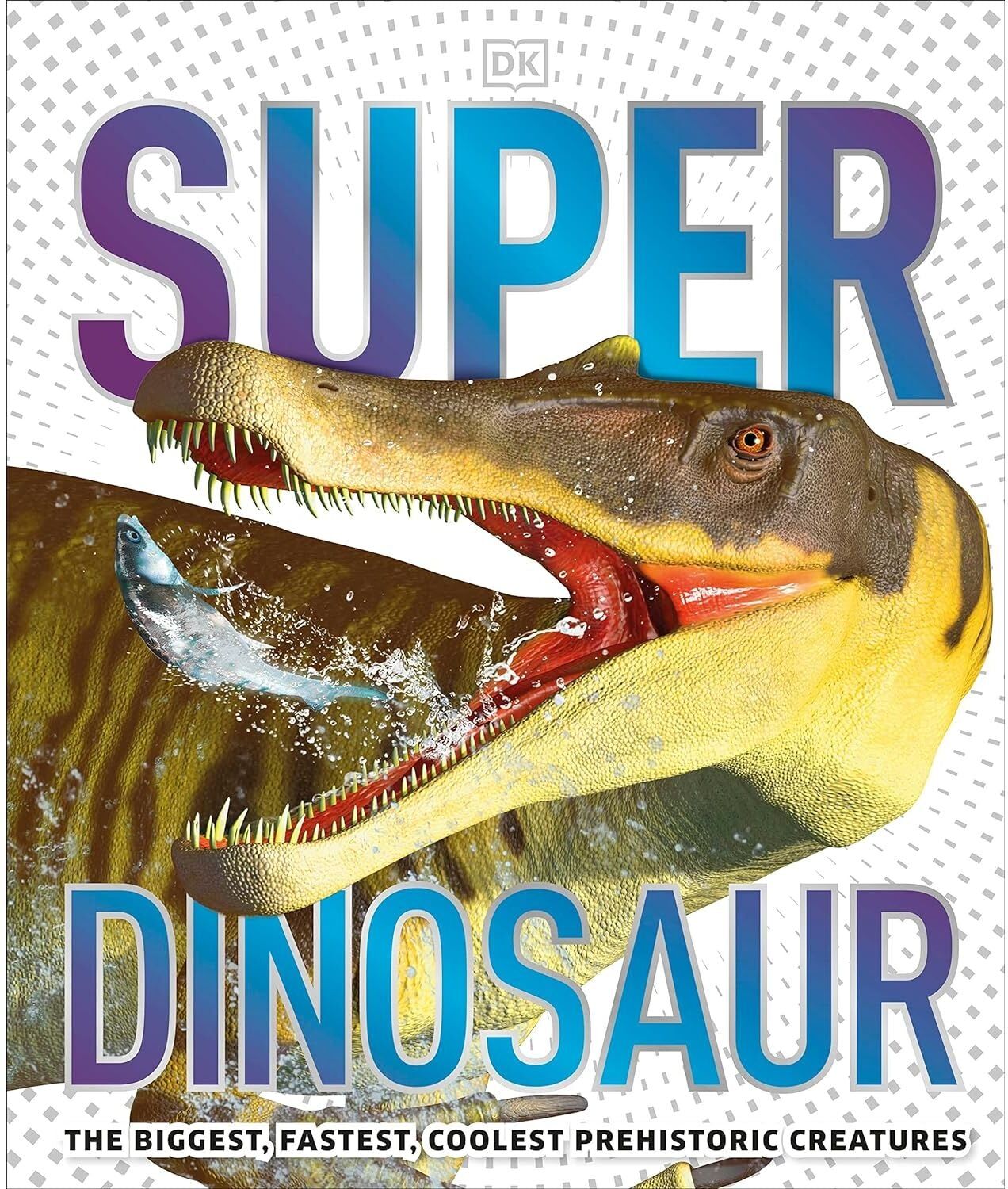
DK Super Dinosaur: The Biggest, Fastest, Coolest Prehistoric CreaturesTravel back in time and get up close and personal with the biggest, fastest, and strangest creatures that ever roamed the earth. Take a dip with the plesiosaur that's bigger than a bus, race the dinosaur that's faster than a galloping horse, and grin at the big cat with teeth that are longer than daggers. Prepare to be amazed as more than 40 incredible prehistoric creatures come roaring back to life in stunning CGI reconstructions. Alongside the amazing images, SuperDinosaur is packed with incredible facts about these extraordinary creatures. Did you know that the fearsome Tyrannosaurus has the most powerful bite of any land animal that has ever lived? Or that the bizarre Amargasaurus had spines that stuck out 60 cm (24 in) from its neck? Or perhaps you fancy your chances in a staring competition with Temnodontosaurus - just be warned, its eyes are 25 cm (9.8 in) wide! Features on fascinating fossils and the latest scientific techniques will show you exactly how paleontologists piece together information about how dinosaurs would have looked and lived. The perfect read for children aged 9 and over, this brilliant and informative guide will appeal to budding dinosaur experts of all ages.8,95 £*Shipping: 2,99 £Secure redirect to the provider
-
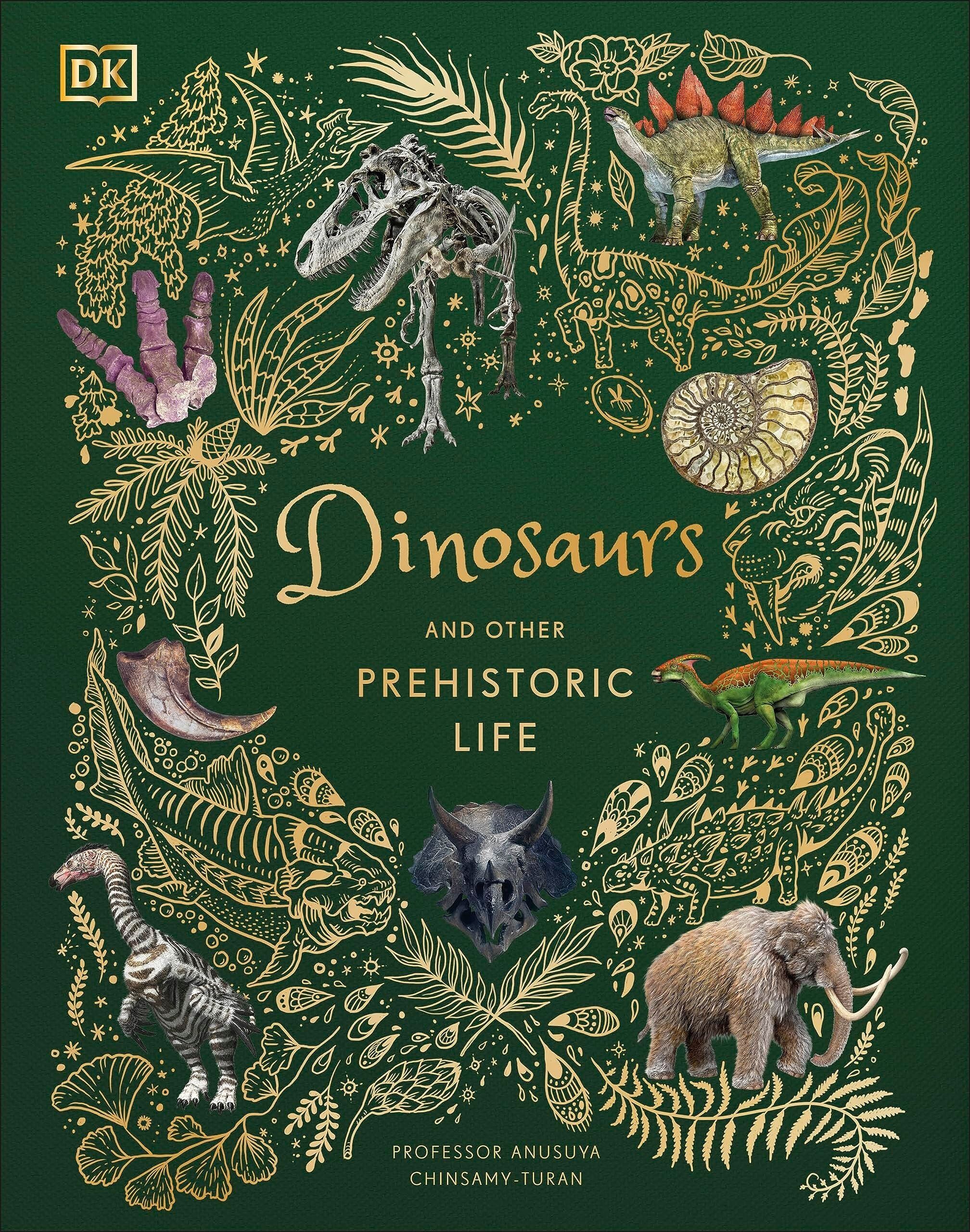
Dinosaurs and Other Prehistoric Life (DK Children's Anthologies)Travel back in time to when dinosaurs roamed the earth with this awe-inspiring dinosaur book for curious kids aged 6-8. The prehistoric word of dinosaurs is so much bigger than young minds can fathom and there is always more to learn. Dinosaurs and other Prehistoric Life is a stunning dinosaur encyclopedia for young readers to explore, with reference pages packed with fascinating information, little learners will be captivated as they travel through the history of the Earth. From Tyrannosaurus and sabre-toothed cats, to ferns and woolly mammoths, this collection of amazing dinosaurs, plants, and other prehistoric life will wow children and many adults too - providing something for everyone to love!Showcasing more than 90 remarkable fossils, such as a fearsome Tyrannosaurus skull, delicate fern leaf, and perfectly preserved woolly mammoth, each plant or animal featured is shown both photographically and illustrated, and children will love poring over the detailed close-up images.The storybook descriptions let you discover the myths and legends surrounding the organisms, as well as key facts about their natural history. Find out why Pachycephalosaurus had such a thick head, how a coral fossil can be used to work out how long a prehistoric year was, and which fossil was thought to protect people from poison. The engaging storybook-style descriptions and simple text shed a light on the diverse world of dinosaurs, perfect for children aged 6-8 to love and explore for hours on end. Celebrate your child's curiosity as they:- Explore more than 90 species from the prehistoric world- Reveal pronunciations of each and every dinosaur featured throughout- Uncover stunning photographs of fossils and gorgeous illustrations of each creatureThis dinosaur encyclopedia for children is the perfect blend of storybook style text with out-of-this-world illustrations which makes it a fantastic dinosaur book for children who are obsessed with the prehistoric world. Encourage young readers to go on a time-travelling adventure back in time to explore a world of information, making this the ideal first reference book for kids aged 6-8 to enjoy for hours on end, whether reading with the family or reading alone, this fun fact book also doubles up as the perfect gift for curious kids who love to learn. Explore the vastness of the prehistoric world whilst uncovering: -Stunning Jacket Detail: gold foil, holographic foil & metallic gold edges-Stunning photography & illustrations inside-A beautiful book for the whole family to treasure-A quality gift to be passed down through the generationsMore in the SeriesDinosaurs and other Prehistoric Life is part of the beautiful and informative Anthology series. Complete the series and nurture your child's curiosity as they explore the natural world with The Wonders of Nature or let them walk soar into the galaxies above with Mysteries of the Universe.10,99 £*Shipping: 2,99 £Secure redirect to the provider
-
Knowledge Encyclopedia Dinosaur! Over 60 Prehistoric Creatures as You've Never Seen Them Before: By John Woodward - Ages 9+ - Hardback DKJourney back in time to explore the prehistoric world like you've never known before with this children's encyclopedia perfect for young dinosaur lovers. Forming part of a fantastic series of kid's educational books, this bold and brilliant dinosaur book for kids uses ground-breaking CGI imagery to reveal the prehistoric world as you've never seen it before. Informative, diverse in subject matter, easy-to-read and brimming with beautiful graphics, young dino lovers can explore the incredibly detailed cross-sections and cutaways that reveal the inner workings of all things dinosaur-related! This charming children's encyclopedia opens the prehistoric world in new ways, with: -Packed with facts, charts, timelines that cover a vast range of topics. -Encompassing a visual approach with illustrations, photographs and extremely detailed 3D images. -Crystal clear text distills the key information. -DK's encyclopedias are fact-checked by subject experts to offer accuracy beyond online sources of information. This fully-updated edition of Knowledge Encyclopedia Dinosaur! is the perfect encyclopedia for children aged 9 and up, ideal for inquisitive minds, covering over 60 prehistoric creatures, from the age of dinosaurs to the Ice Age. Jam-packed with fun facts about your favourite dinosaurs and lesser-known species, such as the Velociraptor having three large killer claws on eat foot to hunt down prey, and the long-necked diplodocus stretching the length of three school buses, this dinosaur encyclopedia is a must-have volume for children. Explore, Discover And Learn! DK's Knowledge Encyclopedia Dinosaur! uncovers the marvels of our world in unprecedented detail and with stunning realism. Encompassing engaging facts about over 60 species of dinosaur, including a closer look at dinosaur diversity, fossilization, and the new era of dinosaurs. With this incredible enyclopedia, you can spend quality time exploring the dynamic world of dinosaurs with your children, accompanied by impressive visuals to engage their senses. A must-have volume for curious kids with a thirst for knowledge, this enthralling encyclopedia is structured in such a way that your child can read a bit at a time, and feel comfortable to pause and ask questions. Doubling up as the perfect gift for young readers, who are always asking questions about the prehistoric world.10,99 £*Shipping: 2,99 £Secure redirect to the provider
-
Were prehistoric men tough?
Yes, prehistoric men were tough in many ways. They had to endure harsh environmental conditions, hunt for their food, and defend themselves against predators. Their survival depended on their physical strength, endurance, and resourcefulness. Additionally, they had to adapt to changing climates and develop innovative tools and techniques for hunting and gathering. Overall, prehistoric men were tough and resilient in order to survive in their challenging environment. **
-
Are prehistoric humans considered humans?
Yes, prehistoric humans are considered to be early members of the Homo genus, which includes modern humans (Homo sapiens). While they may have had different physical characteristics and lived in different time periods, they are still classified as part of the same evolutionary lineage as modern humans. Prehistoric humans were capable of using tools, creating art, and engaging in complex social behaviors, indicating their human-like cognitive abilities. **
-
What is your favorite dinosaur and why?
My favorite dinosaur is the Triceratops because of its unique appearance with the three horns on its face and the frill around its neck. I also admire its defensive capabilities with its horns and size, making it a formidable herbivore. The Triceratops is a fascinating dinosaur that has captured my imagination since I was a child, and I continue to be intrigued by its role in the prehistoric world. **
-
How can one breed prehistoric crustaceans?
Breeding prehistoric crustaceans would require a deep understanding of their natural habitat, behavior, and dietary needs. It would also involve creating an environment that closely mimics the conditions of the prehistoric era, including water temperature, salinity, and oxygen levels. Additionally, it would be important to source the specific species of prehistoric crustaceans and ensure that they are not endangered or protected. Finally, careful monitoring and maintenance of the breeding environment would be necessary to ensure the health and reproduction of the crustaceans. **
Similar search terms for NEXT-Prehistoric-Dinosaur-and
-
NEXT Moon and Stars Grey WallpaperYour child will have plenty of stars to wish upon with our Moon and Stars wallpaper. This charming wallpaper design in white and soft grey tones is perfect for creating a calming and sleepy atmosphere for your little one.77,00 $*Shipping: 0,00 $Secure redirect to the provider
-
Have you found a prehistoric snail?
As an AI language model, I do not have the capability to physically find or interact with objects in the real world. However, prehistoric snails have been discovered by paleontologists in various locations around the world. These ancient snail fossils provide valuable information about the evolution and diversity of snails over millions of years. If you are interested in learning more about prehistoric snails, I can certainly provide information and answer any questions you may have. **
-
How long do prehistoric crustaceans live?
The lifespan of prehistoric crustaceans varied depending on the species. Some prehistoric crustaceans, such as the horseshoe crab, are known to have existed for hundreds of millions of years, making them one of the oldest living species on Earth. Other prehistoric crustaceans may have had shorter lifespans, but due to the limited fossil record, it is difficult to determine the exact lifespan of all prehistoric crustaceans. Overall, prehistoric crustaceans were able to survive and thrive for millions of years, adapting to changing environmental conditions and evolving alongside other ancient species. **
-
How can one breed prehistoric shrimp?
To breed prehistoric shrimp, one would need to create an environment that mimics their natural habitat. This would involve setting up a tank with appropriate water conditions, temperature, and pH levels. It is important to provide the shrimp with a varied diet that includes algae, small insects, and other organic matter. Additionally, ensuring that the shrimp have enough space to move around and reproduce is crucial for successful breeding. Regular monitoring of water quality and maintaining a clean environment will also help in the breeding process. **
-
Are dinosaur fossils fake?
No, dinosaur fossils are not fake. Fossils are the preserved remains or traces of ancient organisms, and dinosaur fossils have been found all over the world by paleontologists. These fossils provide valuable information about the existence and characteristics of dinosaurs that lived millions of years ago. The study of dinosaur fossils has greatly contributed to our understanding of prehistoric life on Earth. **
* All prices are inclusive of VAT and, if applicable, plus shipping costs. The offer information is based on the details provided by the respective shop and is updated through automated processes. Real-time updates do not occur, so deviations can occur in individual cases. ** Note: Parts of this content were created by AI.